


Voice Cloning Guide: How to Create and Use Branded AI Voices Safely
A practical voice cloning guide for creators: legal checklist, recording workflow, branded-voice design, and how to use GoCrazyAI AI Voices for narration and dubbing.
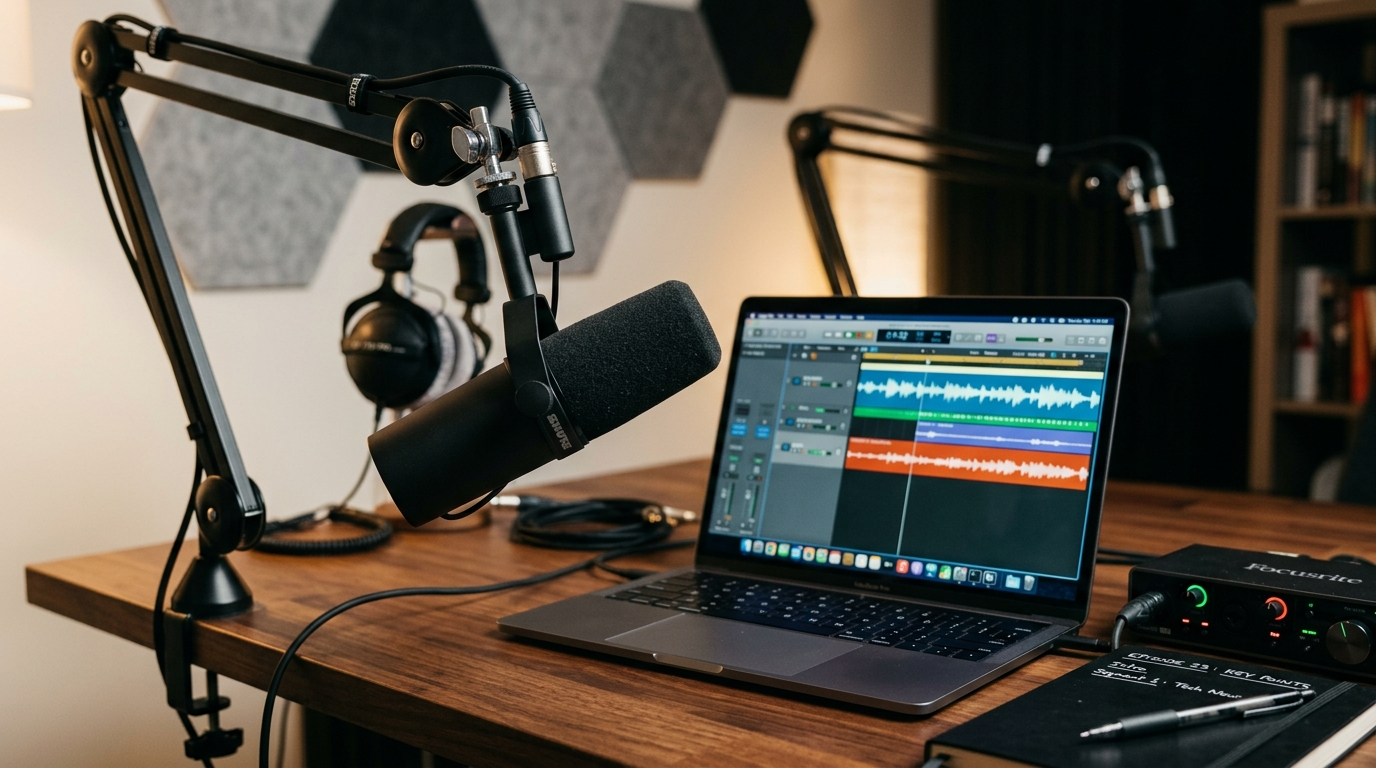
You need a consistent, repeatable voice for narration, dubbing, or character work — and you want to do it without legal headaches. This voice cloning guide shows what to check before you clone a voice, how to record a legally-safe sample, practical design rules for branded voices, and a step-by-step workflow to produce publish-ready audio. It also explains detection, watermarking, and monetization options and includes a focused how-to using GoCrazyAI AI Voices for cloning and narration.
Quick Answer
How do you safely clone and use a branded AI voice? Start with narrow, documented consent for the speaker, record a clean short sample, and use a platform that supports cloning plus controls for usage and watermarking. Prepare a style guide for the voice, validate outputs for realism and edge cases, and disclose AI usage where required. Use GoCrazyAI AI Voices to clone, generate narration, and integrate with your video or podcast workflow.
Why creators are adopting AI voices in 2026: benefits for narration, faceless channels, and localization
AI voices are widely used because they save time, scale localization, and keep a consistent brand tone across channels. Creators use them for narrated explainer videos, faceless social channels, and multi-language dubs — replacing repeated recording sessions and enabling fast iteration. For many small teams, an AI voice reduces production overhead and lets one persona appear in dozens of clips with identical pacing and emphasis.
Benefits are concrete: faster turnaround for episodic narration, predictable delivery for scripted ad reads, and consistent character voices for short animations. Industry reports show brands are increasingly adopting AI or composite voices for scale and localization. That growth means creators should treat voice cloning as a production tool with guardrails: record quality samples, document rights, and verify outputs for naturalness and mispronunciations.
Practical note: perceptual realism is high — a recent study found listeners often matched AI-generated voices to real speakers about 80% of the time and only correctly labeled AI speech ~60% of the time, so clones can sound convincing and require careful disclosure and consent.
Legal and ethical checklist before you clone or use a voice (consent, rights, disclosure)?
Do not clone or publish any voice without narrow, documented consent and a rights agreement. The short answer: get written consent that specifies uses, distribution channels, territories, time limits, and whether derivatives are allowed. Many legal trackers recommend this narrow consent approach because generic or implied permission is risky.
Checklist (minimum):
- Signed consent form listing permitted uses (e.g., YouTube, podcast, ads).
- Sample provenance: store the original audio file, timestamps, and who recorded it.
- Rights transfer or license: clarify whether copyrights and commercial rights transfer to the producer.
- Disclosure plan: where and how you will inform audiences (video description, audio preface, or platform-required labels).
- Audit trail: metadata, consent docs, and export logs for each cloned voice.
Why this matters: regulators and lawmakers are watching voice cloning — U.S. senators pressed companies in 2026 about safeguards after reports that only seconds of audio can build a convincing clone. Consumer-safety reviews also flagged gaps in guardrails, so documented consent and platform controls are practical mitigations.
Choosing between stock AI voices, cloned voices, and custom branded voices — example tradeoffs that matter for creators
Which voice type is right depends on control, cost, and legal complexity. Stock voices are instant and low-risk; cloned voices are brand-accurate but need consent and audit trails; custom branded voices (designed from descriptions) offer unique character without cloning a real person.
Example tradeoffs:
- Stock AI voices: fastest to use, minimal legal work, but less distinctive. Good for faceless channels and prototypes.
- Cloned voices: sound like a known speaker and keep brand continuity, but require consent, storage, and possible revocation procedures. Best when you have a stable speaker who signs a narrow license.
- Custom branded voices: created from persona specs or blended samples; less risk of impersonation, scalable for localization, but may cost more and need voice design iteration.
Practical rule: pick stock or custom voices for paid ads and broad distribution where legal clarity is critical. Use cloned voices for owned channels and internal or permissioned campaigns when documented rights exist. Voices.com and industry reports show brands often mix these approaches to balance cost and authenticity.
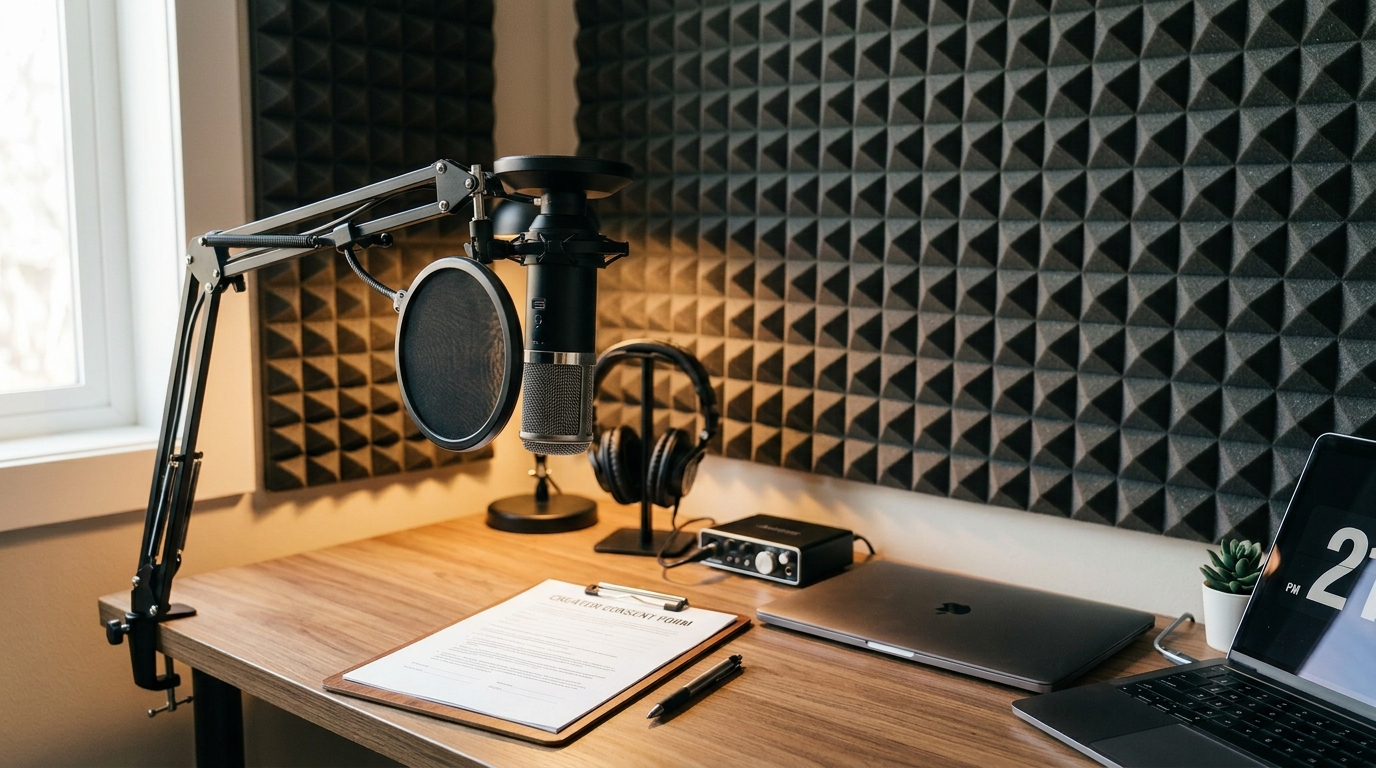
Hands-on: How to record and prepare a legally-safe voice sample for cloning (step-by-step workflow)?
Record a short, high-quality sample with clear documentation and you'll reduce legal and technical problems later. For cloning, a clean 30–90 second sample often suffices if recorded following best practices; longer samples give more expressive range.
Step-by-step workflow (technical + legal):
1) Consent first: have the speaker sign a narrow consent form describing uses, territories, and time limits. Keep a timestamped PDF.
2) Use good kit: a USB condenser or dynamic mic in a treated room. Record at 44.1–48 kHz, 24-bit if possible.
3) Script selection: read varied sentences that cover different phonemes, emotions, and speaking rates. Include neutral lines and expressive lines.
4) Clean recording: pop filter, consistent mic distance (6–8 inches), and low-noise background. Monitor with headphones.
5) Export raw files: uncompressed WAV, label with speaker ID and date, and store the original in secure archives.
6) Metadata and logs: attach consent file, recording settings, and a short recorded statement of consent in the sample itself ("I, [name], consent to cloning for [uses]"). This embedded statement creates an additional provenance artifact.
7) Test generation: create short test outputs, check for artifacts, mispronunciations, and unapproved styles before publishing.
Follow these steps to keep the sample both high-quality for cloning and legally defensible; guidance from policy trackers recommends narrow, documented consent and storing provenance for audits.
Hands-on: From script to publish — using GoCrazyAI AI Voices for narration, dubbing, and character voices (workflow with tips)
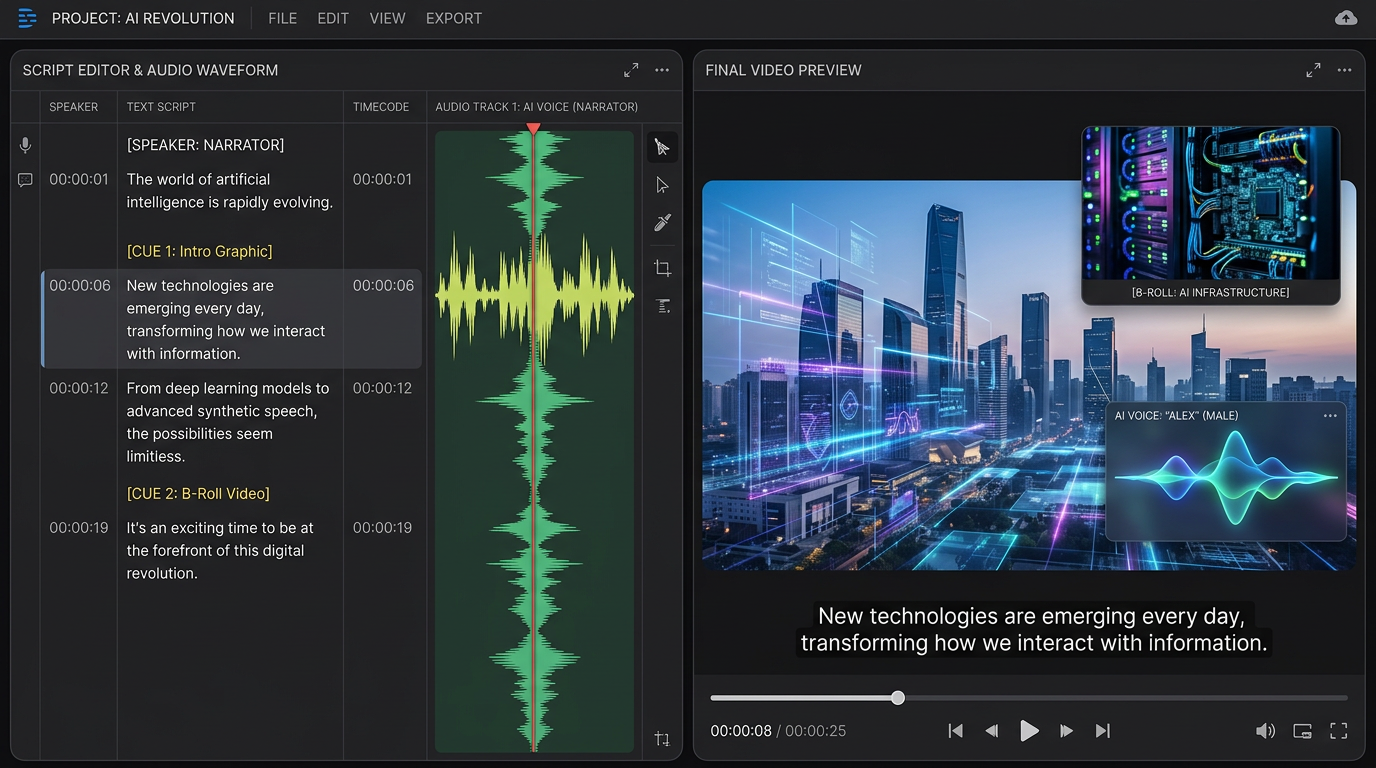
You can clone a legal sample, generate narration, and export synced audio in a few practical steps on GoCrazyAI AI Voices. The platform supports cloning from a short sample, choosing from 160+ premium voices, designing custom voices from text, and pairing outputs with video and podcast tools.
Quick workflow on GoCrazyAI:
1) Upload your signed consent and source WAV when cloning a human voice (keep the original on your archive). 2) Use the clone tool to create a voice model from the sample; run short test lines to confirm tone and safety. 3) Generate narration by pasting your script and picking a voice; adjust pacing and emotional intensity. 4) For dubbing or multilingual versions, use the AI Dubbing tool and match the cloned voice to other languages. 5) Export final WAV/MP3 and bring it into your editor or use GoCrazyAI Media Mixer to add music and captions.
Tips for better outputs: feed the generator short direction lines (e.g., "friendly, measured, slight hesitation before key points"), and test 10–20 second segments to catch mispronunciations. Because GoCrazyAI outputs pair with the AI Video Generator, you can also drop narration into a video project created with the AI Video Generator for a single export flow — useful for YouTube and social assets (see AI Video Generator). For background scoring, pair with the AI music generator to avoid copyright issues.
Learn more and try cloning or generating narration on GoCrazyAI AI Voices: GoCrazyAI AI Voices. Also see the AI Video Generator for synchronizing visuals with audio and the AI music generator for tracks to layer under narration.
Designing a branded voice that scales: tone guides, persona specs, and localization strategies
A branded voice needs a short, actionable spec so anyone (human or AI) can reproduce the same delivery. Start with a one-page tone guide and a localization plan that keeps intent across languages.
Core elements of a voice spec:
- Persona headline: age, role, and emotional baseline ("mid-30s educator, warm, slightly playful").
- Pacing and cadence: words per minute range, where to pause, and how to treat lists or emphasis.
- Pronunciation notes: brand-specific names, product terms, and preferred phonetics.
- Forbidden reads: what the voice must never do (e.g., never imitate a public figure, no sarcasm in product announcements).
Localization strategy:
- Use either cloned voice models for each language (requires consent per language speaker) or create a composite custom voice that preserves cadence and energy for dubs.
- Maintain a localization glossary with pronunciations and proper nouns.
- Run native-speaker QA passes focused on tone, not just literal translation.
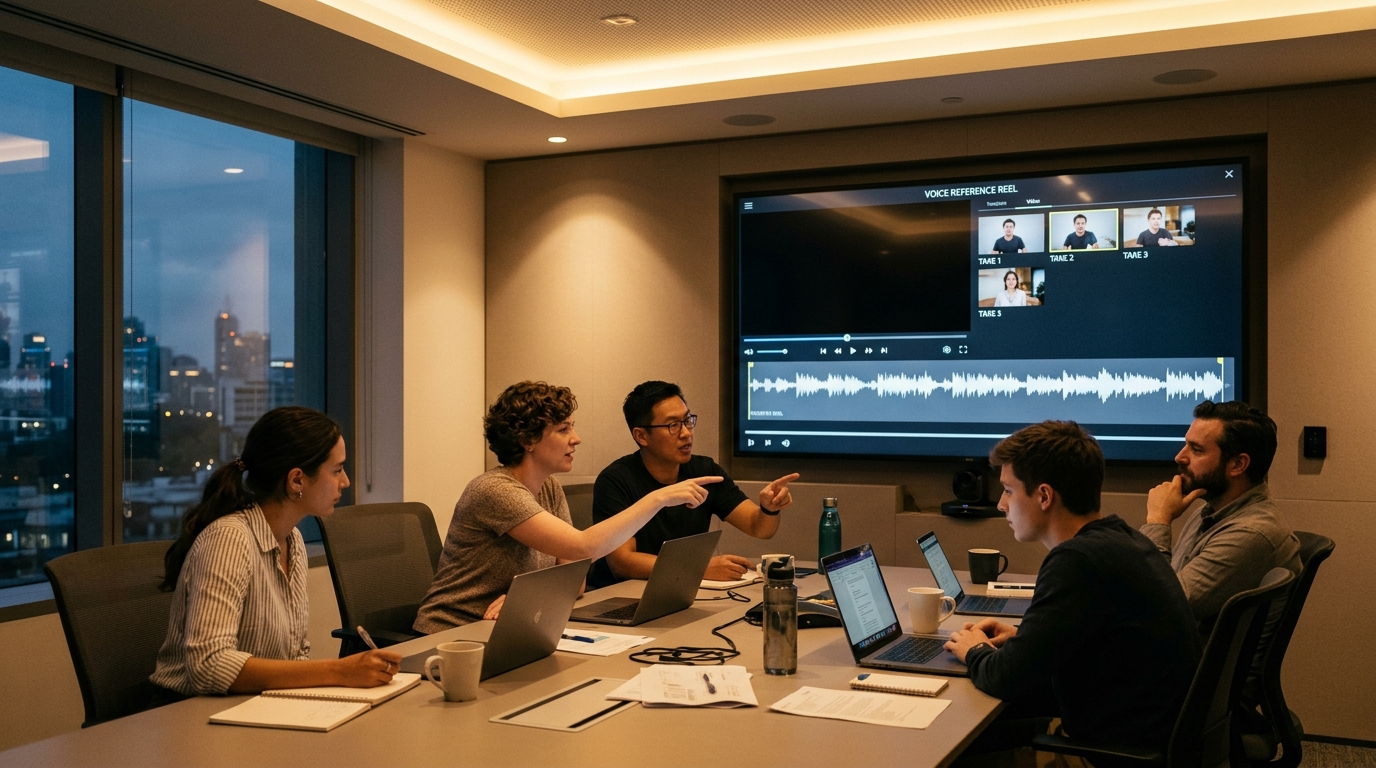
Practical scaling tip: produce a 2–3 minute reference reel (multiple emotional readings) to use as the master sample for new projects and vendors. This reel plus the one-page guide keeps the voice consistent as the brand grows.
Mitigating misuse and detection risks: mistakes to avoid, watermarking, disclaimers, and platform policy best practices?
You must treat detection and misuse as ongoing operational risks and include mitigations in your release workflow. Common mistakes include publishing clones without disclosure, failing to watermark synthetic audio, and not storing consent records. Avoid these.
Mistakes to avoid and how to prevent them:
- Mistake: Relying on verbal consent only. Fix: Get written, timestamped consent and embed a short recorded consent clip in the sample.
- Mistake: Publishing clones to high-risk channels (ads, political content) without legal review. Fix: Limit use cases in the consent and run an approvals step for sensitive content.
- Mistake: Skipping watermarking or provenance. Fix: add inaudible watermarks or metadata tags where available and retain full logs for each generation.
Platform best practices:
- Disclose AI usage in video descriptions and episode notes when required by platform policy or local law.
- Use service-level controls (voice revocation, usage logs) if your provider supports them.
- Regularly re-run safety checks: test for hallucinated claims in narration and run profanity filters.
Regulatory context: lawmakers and watchdogs have increased scrutiny — major inquiries in 2026 underline why technical and administrative safeguards matter. Independent reviews also show many tools lack strong anti-fraud guardrails, so combine platform controls with your own operational checks.
Monetization and distribution: licensing models, attribution, and growing a voice-led brand?
You can monetize a branded voice through licensed usage, voice subscriptions, or content channels that drive ad revenue and sponsorships. The strategy you choose affects how you handle rights and attribution.
Common monetization models:
- Owned-channel model: brand owns the voice and uses it across official channels; monetization is via ads, sponsorships, or product sales.
- Licensed-voice model: you license the voice to partners with usage limits and royalties; requires clear contracts and tracking.
- Subscription or API access: provide access to the voice through a managed account for partners; track credits and usage.
Attribution and contracts:
- Always document licensing terms (duration, territories, permitted media).
- Consider automated usage logs and periodic audits for licensees.
- Attribution: include a standard credit line in episode notes or metadata when a voice is cloned from a human performer unless contractually waived.
Scaling tip: build a short brand library — reference reels, pronunciation glossary, legal packet — and use it when onboarding partners. Brands that adopt voice strategies for localization and consistent narration often combine these materials with production templates to speed up launches.
Frequently Asked Questions
Do I need permission to clone my own voice?
Yes. Even when cloning your own voice, get a signed consent that specifies uses and durations. This avoids disputes later and helps with platform or ad approvals.
How long of a sample do I need to clone a usable voice?
A clean 30–90 second sample usually suffices for many services, though longer samples give the model more expressive range. Always follow your provider's guidance and capture varied lines.
Will listeners detect that a voice is AI-generated?
Detection varies. Studies show humans often misidentify AI voices and can match AI to the real speaker roughly 80% of the time, so many clones are convincing. That makes disclosure and safeguards important.
Can I use cloned voices for ads and sponsored content?
You can, but only with explicit, written permission that covers commercial uses. For high-risk content like political ads, get legal review and consider using stock or custom voices instead.
Conclusion
Final thoughts: Treat voice cloning as a creative production tool that needs legal, technical, and design disciplines. Start with narrow consent, record quality samples, keep provenance, and enforce watermarking and disclosure. Design a short tone guide so your branded voice stays consistent across projects. When you're ready to clone or generate narration, try GoCrazyAI AI Voices to build or pick a voice and export publish-ready audio in minutes: GoCrazyAI AI Voices.
Sources
- People are poorly equipped to detect AI-powered voice clones (arXiv preprint, 2024)arxiv.org ↗
- AI voice-cloning scams: A persistent threat with limited guardrails (Axios, Mar 15, 2025)axios.com ↗
- 2024 Audio Trends Report (Voices.com)static.voices.com ↗
- Voice Cloning Legal Guide: Laws & Compliance (AI Wiki, 2025 guide)artificial-intelligence-wiki.com ↗
- AI Voice Cloning: How to Clone Your Own Voice (Techopedia guide)techopedia.com ↗
- Clone your voice using open-source models (Replicate blog)replicate.com ↗
- Case Study: SuperBloom Reimagines Localization with Voice AI (Voices.com client story)voices.com ↗