


AI music commercial use: A practical legal & workflow guide
Practical steps to legally use AI-generated music in ads, vlogs, and branded videos. Licensing, documentation, and a fast workflow with GoCrazyAI.
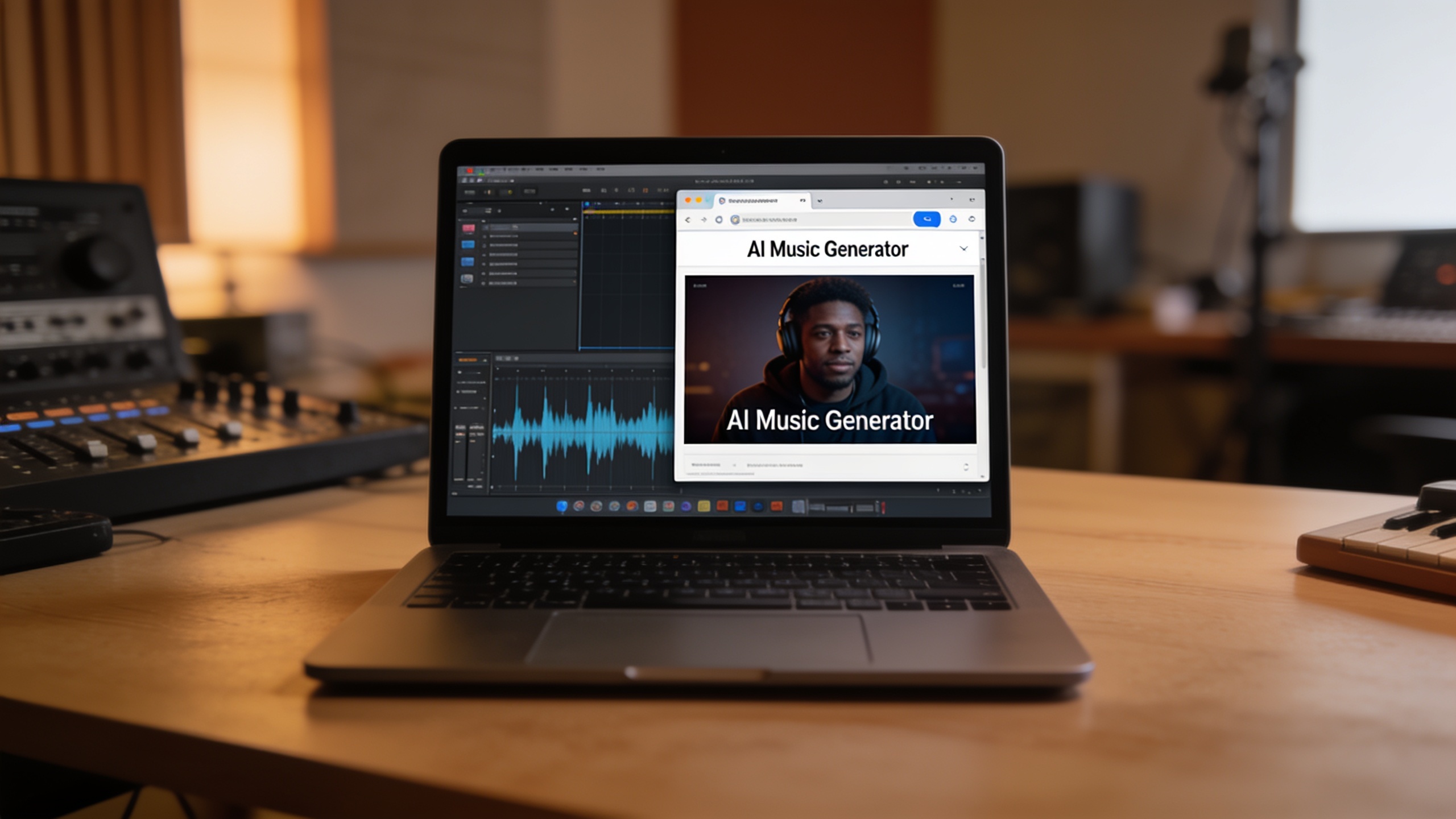
You need a soundtrack for a paid ad or channel theme, but you’re unsure whether AI-generated music is safe to use commercially. This guide explains the current copyright landscape, how to pick a workflow that reduces legal risk, and step-by-step examples that show how to go from prompt to licensed track. It also shows why using a provider with explicit paid-marketing licenses — and documenting human creative edits — is the practical path many creators now prefer. Finally, you’ll see a concrete GoCrazyAI workflow that gets a licensed instrumental ready for an explainer video in minutes.
Quick Answer
AI music commercial use is allowed when you have the right license and can show required platform permissions or human creative input. Choose a provider with explicit paid-marketing licensing, keep prompt and edit records, and download the platform’s license receipt at export. Those steps are the fastest practical defense if ownership is later questioned.
How copyright and licensing currently treat AI-generated music (what creators must know)?
AI-only musical outputs usually do not receive U.S. copyright protection unless a human adds sufficient creative input. The U.S. Copyright Office and coverage of its January 29, 2025 guidance emphasize that "AI-assisted works can get copyright with enough human creativity". That means a purely machine-generated track, with no meaningful human direction or editing, is often treated as uncopyrightable.
Licensing is separate from copyright. Even when the output itself lacks copyright, the platform you used can still grant or limit commercial rights via its Terms of Service. For example, ElevenLabs documents explicit licensing tiers for music use, including Social Media, Paid Marketing, and Offline use; those tiers define what commercial activities are permitted by the platform.
Practical takeaway: treat copyright and platform licensing as two linked but distinct checks. Copyright determines whether you — or anyone — can claim authorship; the platform’s license determines whether you can lawfully distribute and monetize the track in your project. If you need defensible commercial rights, rely on a provider that documents paid-marketing licensing and preserve that download/receipt as evidence.
Choosing the right AI music workflow for commercial projects — risks, rights, and checks?
Choose a workflow that mitigates three main risks: unclear copyright status, restrictive terms of service, and accidental reuse of protected artist material. The workflow should (1) pick a provider with explicit paid-marketing licensing, (2) record your prompts and human edits to show creative contribution, and (3) secure a written license or receipt when you download the final track.
A practical checklist when selecting a provider:
- Confirm available licensing tiers (social, paid marketing, offline).
- Read the Music Terms / Rights documentation to verify restrictions on impersonation or reuse of artist names/lyrics.
- Prefer services that export a timestamped license receipt or manifest at download.
Cost and credits matter: check pricing and how downloads consume credits. If you plan to test multiple variations, estimate credit usage on your plan and evaluate value on the GoCrazyAI Pricing page for budget planning. (See GoCrazyAI Pricing for plans and credits.)
Why each step matters: the Copyright Office guidance means human edits can affect eligibility for copyright; documenting those edits strengthens your position. Platform receipts prove you obtained the right to use a specific version of the track for paid marketing — even if copyright later becomes contested. This three-part approach is the most defensible way to use AI music commercially.
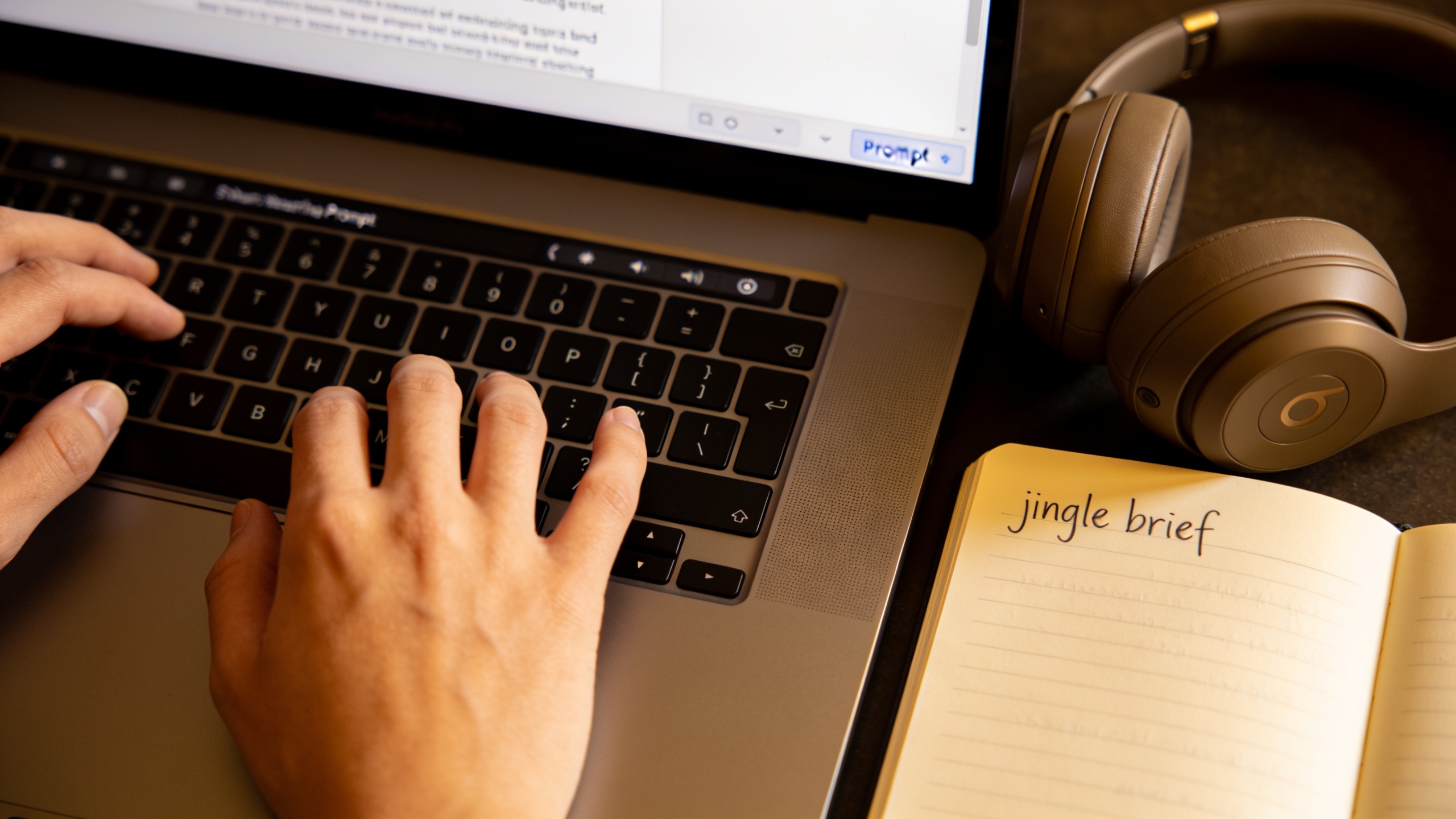
Hands-on example: Generate a commercial-ready instrumental for an explainer video with GoCrazyAI AI Song Generator?
Yes — you can produce a commercial-ready instrumental by prompting for style, tempo, mood, and then exporting with the platform’s paid-marketing license attached. Below is a step-by-step example that demonstrates the full, documented workflow on GoCrazyAI’s AI Song Generator (powered by ElevenLabs). The goal: a 30–45 second loopable instrumental for an explainer video background.
Example workflow (copyable prompts and actions):
1) Prompt (initial):
"Bright corporate electronic instrumental, 95 BPM, bouncy arpeggio, warm analogue pad, light percussion, 30s loop, build at 20s, no vocals."
2) Generate and iterate: pick the closest result then edit for tempo/mix. Record each prompt and the chosen variant ID as proof of human direction.
3) Human edits (documented): adjust arrangement: "Lower percussion by -3dB; shorten intro to 2s; add soft piano motif at 12s." These edits show tangible human creative input.
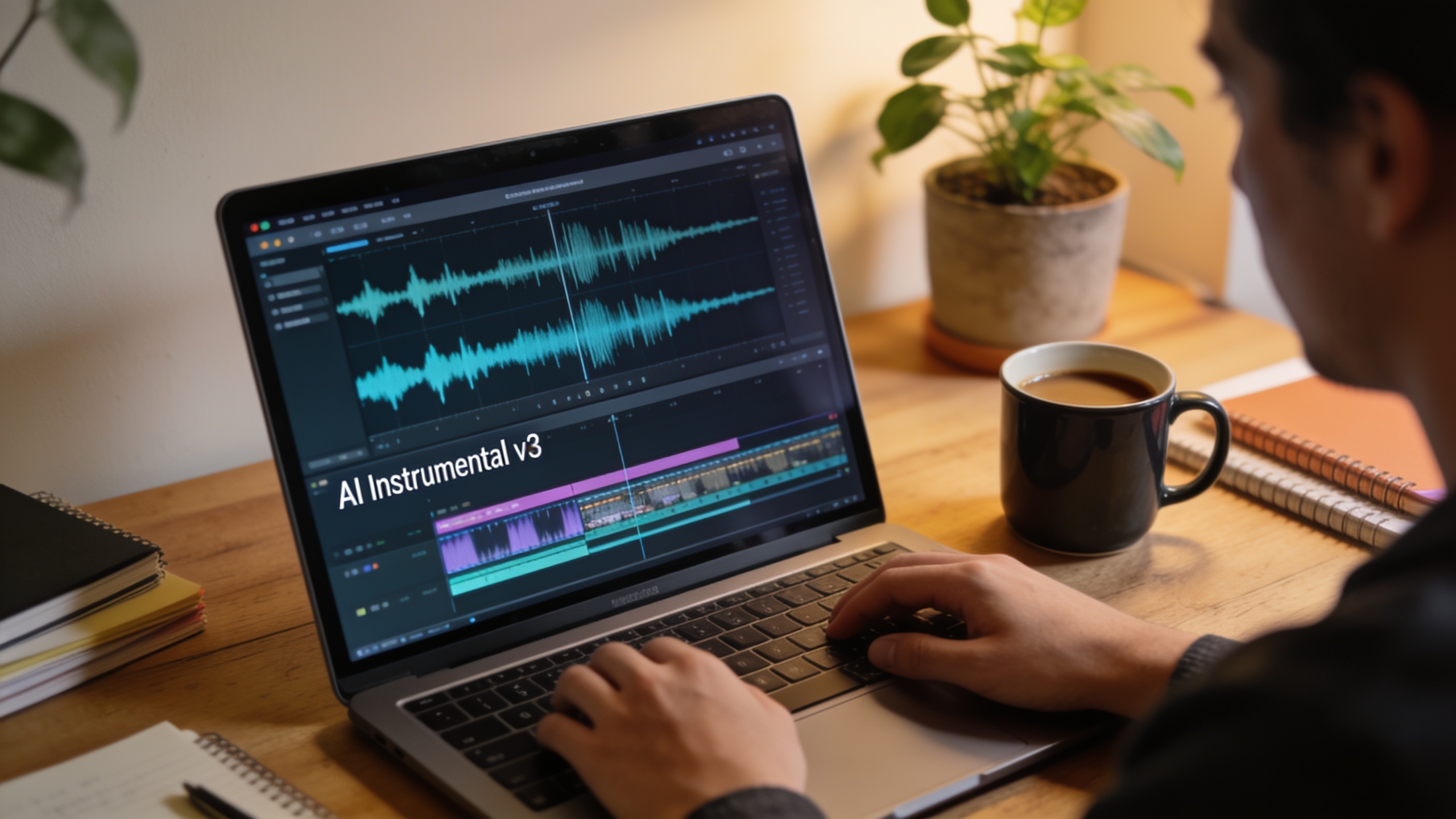
4) Licensing/export: choose the Paid Marketing license when exporting and download the timestamped license receipt (save as PDF). This explicit license layer is what lets you use the track in paid ads. Use the AI Song Generator page to export and retrieve the license details.
Prompt variations you can copy for other moods:
- "Laid-back lo-fi instrumental, 75 BPM, vinyl crackle, soft bass, 40s loop."
- "Upbeat pop-rock instrumental, 120 BPM, driving snare, catchy synth hook, 30s cutdown."
Where to learn more and export: use the GoCrazyAI AI Song Generator to produce and license the file directly on the platform (/ai-music).
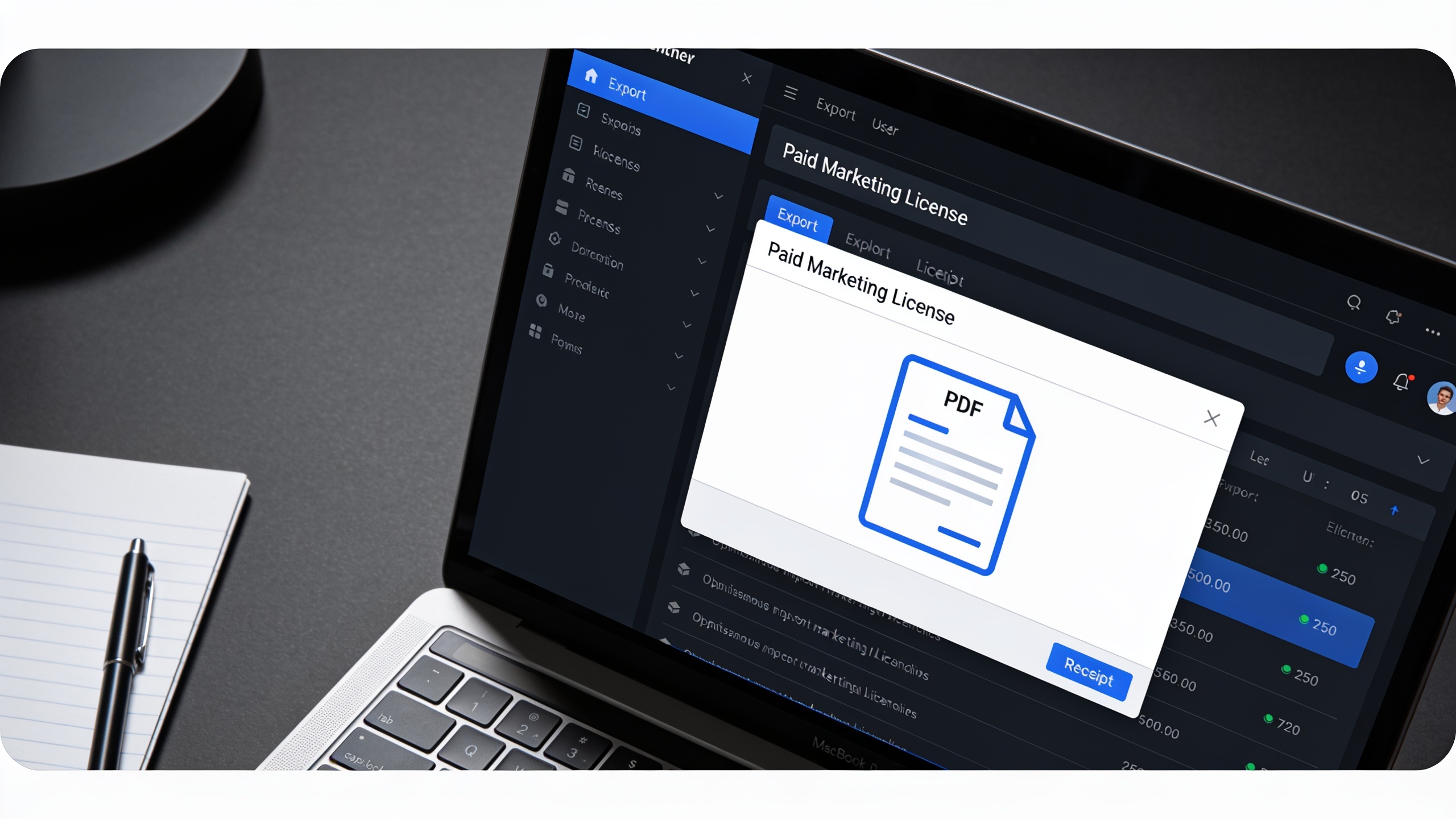
Hands-on: Create a custom jingle for an ad and secure licensing for paid marketing?
You can create a short jingle and secure the necessary license by combining a directed prompt, melodic editing, and exporting under the platform’s paid-marketing tier. Start with a concrete brief (brand voice, hook length, instruments), add human melodic or lyrical edits, and obtain the platform’s license receipt at download.
Step-by-step example for a 15-second jingle: 1) Brief: "Friendly, punchy 15s jingle for appliance brand; acoustic guitar intro, 2-bar vocal hum (no brand name recorded), sync hit on second 4-second cue." 2) Prompt: "15s jingle, acoustic guitar strum, bright ukulele, catchy 4-bar melodic hook, tempo 110 BPM, mix designed for TV/online ad, export stems." 3) Human contribution: record an original 2-bar hummed melody or tweak the AI hook to include a unique cadence — save the file and note the edit timestamps. This human input is important for copyright arguments and shows you directed the creative choices. 4) License and usage: export using the Paid Marketing license and keep the export receipt. If you need broader distribution (broadcast or offline), confirm whether the provider offers an Offline use tier and buy that upgrade if required.
Practical notes on lyrics and impersonation: platforms often prohibit using an AI voice to impersonate a real artist or to reproduce a protected lyric without rights. Read vendor help pages about publish rights and impersonation restrictions before adding lyrics.
What mistakes should you avoid and what contract language protects your campaign when using AI music?
Avoid three common mistakes: relying solely on implied rights, failing to document human edits, and ignoring platform restrictions on impersonation or lyric reuse. To protect the campaign, include contract language that clarifies who owns what and confirms the seller’s license scope.
Top mistakes and how to avoid them:
- Mistake: Assuming the generated track is automatically copyrighted. Fix: Add demonstrable human creative input (arrangement edits, original vocal melodies) and document them.
- Mistake: Not verifying paid-marketing rights. Fix: Confirm the provider’s Paid Marketing tier or equivalent and save the download license receipt.
- Mistake: Using a generated vocal or lyric that imitates a known artist or trademarked phrase. Fix: Avoid impersonation; run lyrics through trademark search and vendor rules.
Suggested contract clauses to include with vendors or contractors:
- License representation: "Seller represents and warrants it has provided a valid Paid Marketing license for the delivered audio assets and will supply a timestamped download receipt upon delivery."
- Ownership and assignment: "Buyer receives a non-exclusive, worldwide license for the specified media channels; any broader usage (broadcast, offline) requires prior written upgrade."
- Indemnity carve-out: "If any third-party claim arises from Buyer’s instructions to reproduce protected lyrics, Buyer will indemnify Seller for such claims."
These clauses, plus preserved prompts and edit logs, give you a stronger, practical defense if rights are later questioned. If you need further production finishing, add the licensed track into your edit using an AI Video Editor to keep your audio and visuals in sync (see AI Video Editor for post-production).
Frequently Asked Questions
Can I use AI-generated music in paid ads right away?
Yes, if the provider grants a Paid Marketing or equivalent license. Confirm the license tier before publishing and download the license receipt when you export the final track.
Does an AI-generated song automatically have copyright?
No — U.S. guidance usually treats raw AI-only outputs as uncopyrightable. Adding meaningful human creative input increases the chance the work is eligible for copyright.
What documentation should I keep when using AI music commercially?
Save all prompts, variant IDs, timestamps of human edits, version files, and the platform’s export/download license receipt. These documents help prove human contribution and that you obtained the right license.
What if my ad needs broadcast or offline distribution?
Check whether the provider offers an Offline use or broadcast tier and purchase that upgrade. Some marketplaces separate social media and paid-marketing rights from broader offline distribution.
Can I add custom vocals generated by AI and use them in an ad?
Possibly, but be careful. Many platforms prohibit impersonation of real artists and restrict reusing protected lyrics. Review the help/terms pages and, if needed, record a human vocal to strengthen copyright claims.
Conclusion
AI music can be used safely in commercial projects when you pair a provider that offers explicit paid-marketing licenses with good documentation of your prompts and human edits. That combination reduces risk and produces a usable track quickly. For a fast, licensed path from prompt to export, try a few iterations in the GoCrazyAI AI Song Generator and download the Paid Marketing license with your final track (/ai-music).
Sources
- ElevenLabs Music Terms / Music Rightselevenlabs.io ↗
- ElevenLabs Music Marketplace / Capabilitieselevenlabs.io ↗
- ElevenLabs Help: Can I publish the content I generate on the platform?help.elevenlabs.io ↗
- AP News: AI-assisted works can get copyright with enough human creativity (Jan 29, 2025)apnews.com ↗
- AI Wire Media / ElevenLabs launches AI Music Marketplace (coverage reporting ~14M songs)aiwiremedia.com ↗
- LegalClarity: Is AI Music Legal? Copyright and Licensing Ruleslegalclarity.org ↗
- MusicRadar: D.C. Circuit ruling and public-domain treatment of pure-AI outputs (coverage)musicradar.com ↗
- Farella Braun + Martel LLP: AI-Generated Music Presents Complex Copyright Issues (May 21, 2025)fbm.com ↗