


copyright-free AI music: a practical creator’s guide
Practical guide to using copyright-free AI music in ads and short videos. Steps, legal tips, and a GoCrazyAI workflow powered by ElevenLabs for ad-ready tracks.
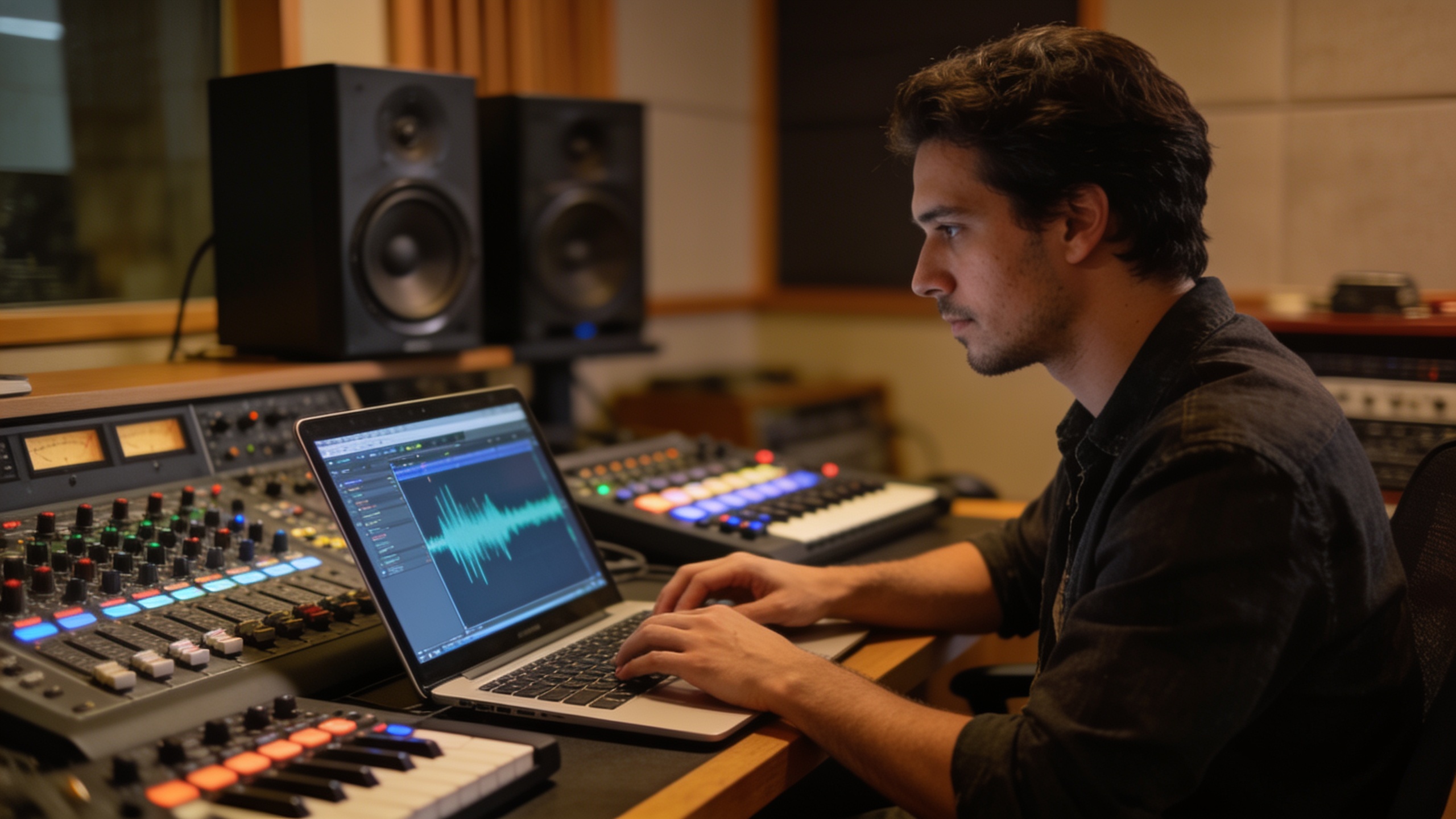
You need music that’s safe to put in paid ads, YouTube, and viral Shorts — without the licensing headaches. This guide explains how AI-generated music licensing works in 2026, what “copyright-free” actually means, and which steps reduce legal risk when you publish a track. You’ll get two concrete workflows: a 30–60s ad jingle made with GoCrazyAI’s AI Song Generator and a 15s vocal trend song for Shorts, plus rules for attribution, metadata, and clearance.
Where relevant I cite ElevenLabs’ model terms and the U.S. Copyright Office guidance so you can make informed decisions. By the end you’ll know when a track is usually safe to use, what to avoid, and how to export an ad-ready file fast.
Quick Answer
How can creators use copyright-free AI music? Use models whose publishers grant commercial-use licenses and follow prompt hygiene to avoid copying existing melodies or lyrics. When models publish clear music terms (like ElevenLabs), generate an original track, keep prompt records, and export with metadata. For a fast workflow, GoCrazyAI’s AI Song Generator (powered by ElevenLabs) creates instrumental or vocal tracks ready for ads.
How AI music licensing works in 2026: what creators must know before using generated tracks?
AI music licensing in 2026 usually depends on two things: the model’s published commercial terms and how you prompted it. If a model’s terms explicitly permit broad commercial use, creators can typically use generated tracks in ads and monetized videos without separate track licensing. However, risk remains if prompts reproduce copyrighted melodies or lyrics; legal analyses in 2025–2026 note infringement risks when outputs are substantially similar to protected works (see legal analysis).
Practical points:
- Check the model-specific terms: ElevenLabs publishes Eleven Music model-specific terms that clarify allowed uses and restrictions "Eleven Music Model-Specific Terms".
- Retain prompt and export logs: these show provenance and your intent if questions arise.
- Platforms may offer marketplace licensing or payouts: ElevenLabs and partners have begun marketplace initiatives and creator payments, which can affect downstream licensing and attribution.
How this affects you: rely on explicit model terms, avoid risky prompt copying, and prefer tools that export metadata and license statements with each track.
When is AI-generated music truly copyright-free? Rules, red flags, and the U.S. Copyright Office view?
An AI-generated track is usually treated as commercially usable when the model’s license allows commercial use and the output doesn’t reproduce copyrighted material. The U.S. Copyright Office’s 2025 Part 2 Copyrightability report clarifies that whether an output can be copyrighted depends on human authorship factors; outputs with sufficient human creative input may get protection, but model-only outputs are more complicated ["Copyright and Artificial Intelligence, Part 2"].
Red flags that make a track NOT copyright-free:
- Prompts that request or mimic a known melody, hook, or lyric. Recent legal analyses warn that unauthorized lyric copying is high-risk and could trigger infringement suits (see legal-technical analysis).
- Outputs that closely match a recorded commercial track. If the model reproduces a melody line or vocal phrase, treat it as potentially infringing.
- Lack of clear model terms. If the model publisher hasn’t published rights or commercial-use terms, assume you need additional clearance.
Practical checklist:
- Confirm the model-specific commercial terms. ElevenLabs has explicit guidance on Eleven Music use cases "What is Eleven Music?".
- Avoid copying prompts like “write the chorus to [famous song]”.
- Keep prompt and render metadata as evidence of creation steps.
When in doubt, consult counsel for high-budget commercial campaigns.
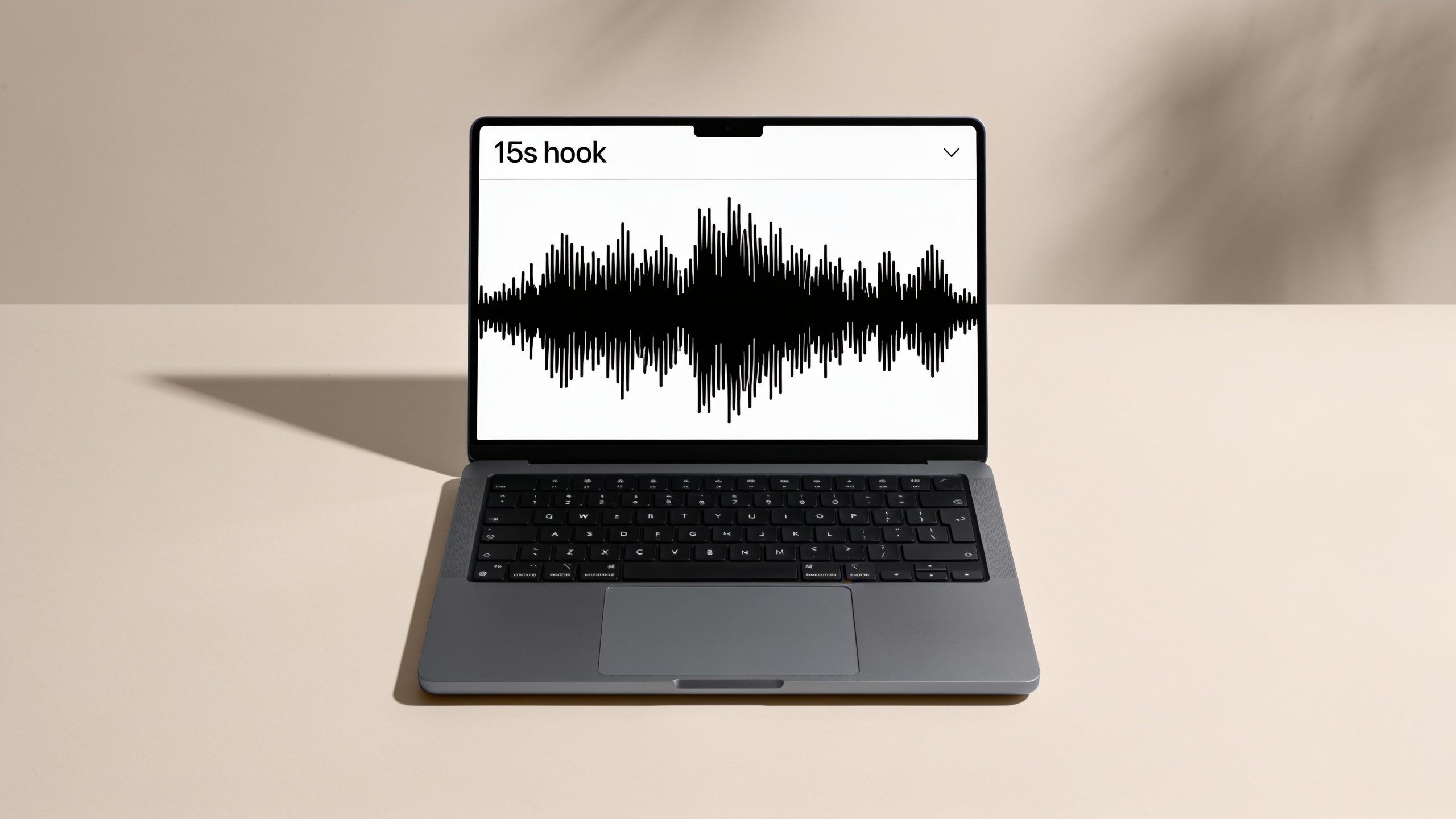
How do I create a 30–60s ad jingle with GoCrazyAI AI Song Generator (step-by-step)?
You can generate a 30–60s ad jingle in minutes with GoCrazyAI’s AI Song Generator and export a commercial-use file labeled for ads. The generator (powered by ElevenLabs) produces instrumentals and full songs and includes controls for style, tempo, and mood.
Step-by-step workflow (practical):
- Define the brief: note BPM range, mood, instrumentation, and the intended use (30–60s ad, background music, or hook). Example: “30s upbeat electronic jingle, 110 BPM, bright synth lead, light percussion, happy mood.”
- Set the generator options: choose
- Instrumental or vocal-backed.
- Tempo range (e.g., 100–120 BPM).
- Style keywords: “retro synth, bright, hooky rhythm.”
- Prompt example to paste into the generator:
``` Create a 30-second upbeat electronic jingle at 110 BPM. Instrumental lead with bright synth, warm bass, light percussion, and a short 4-bar hook suitable for voiceover. No references to existing songs. ```
- Generate multiple takes and pick the strongest hook. Use brief edits to tighten intro/outro to match ad shot timings.
- Export with metadata and license claim. Save the prompt and the export file; include the model and timestamp in your project folder.
Why this reduces risk: GoCrazyAI’s generator is powered by ElevenLabs’ music models, which provide a framework for commercial use, and GoCrazyAI exports tracks ready to drop into an edit. For pricing and credits, see GoCrazyAI’s pricing page [/credits].
You can try every step above directly in GoCrazyAI AI Song Generator — no setup needed.
Can you show an example workflow to produce a vocal-backed 15s trend song for Shorts/TikTok and license it for commercial use?
Yes — here’s an example you can copy to make a 15s vocal-backed trend song while minimizing legal risk. Keep the prompt generic, avoid named artists or lyrics that echo known songs, and use a license statement when exporting.
Copyable example workflow:
Prompt (paste into the AI Song Generator): ``` Create a 15-second vocal-backed pop hook for social video. Bright tempo 120 BPM, female-sounding lead voice (generic), short catchy phrase: "wake up and go" (original). Sparse guitars, punchy kick, clean mix, radio-quality vocal. Do not imitate or reference existing songs or artists. ``` Generation steps:
- Produce 3 variations. Pick the strongest hook.
- If you need a different vocal tone, tweak voice parameters rather than referencing a real person's voice.
- Edit to fit the video timing (cut to 15s, add 0.2s crossfade).
Licensing and distribution:
- Export the track with embedded metadata: model name, prompt text, date, and the platform’s license claim.
- Use the platform’s commercial-use statement to document rights; ElevenLabs and partners have marketplace/licensing initiatives that clarify commercial uses and payouts. ElevenLabs reports creator payouts in marketplace programs, a practical sign that marketplaces aim to compensate creators and clear rights.
Tip: when you upload the clip to a platform (TikTok/Instagram), add the composer credit and a short note like “Generated with ElevenLabs-powered GoCrazyAI AI Song Generator — commercial use permitted” to reduce friction in moderation or claims.
What common mistakes should you avoid when using AI music in paid ads, streaming, and monetized videos?
Common mistakes creators make are usually avoidable with a little process: save prompts, avoid named melodies, and export license metadata. Below are the top mistakes and how to avoid them.
Mistakes and fixes:
- Mistake: Prompting the model to reproduce a famous melody or lyric.
Fix: Use style descriptors (e.g., "80s synth vibe") instead of asking for an existing song. Legal analyses flag lyric copying as especially high-risk.
- Mistake: Not saving prompt histories or exports.
Fix: Keep a project folder with prompt text, timestamps, and the file’s license statement; this documents provenance if ownership is questioned.
- Mistake: Assuming every AI output is automatically copyright-free.
Fix: Read the model-specific commercial terms (ElevenLabs publishes Eleven Music terms) and treat outputs as cleared only when the publisher permits broad commercial use.
- Mistake: Using voice clones or vocals imitating real singers without consent.
Fix: Use neutral, original voice parameters and avoid impersonation or requests that mimic a public figure.
- Mistake: Forgetting metadata and attribution in uploads.
Fix: Embed composer and license information in the track’s metadata and in video descriptions to reduce disputes.
Following these fixes reduces infringement risk and helps keep your campaign live.
FAQ: Common legal, technical, and creative questions about AI music, plus quick answers and next steps?
Below are short answers to frequent questions creators ask about AI music licensing, usage, and best practices.
1) Is AI-generated music always safe for ads? No — it depends on the model’s license and whether the output copies protected material. Use models with explicit commercial terms and keep prompt records.
2) Do I need to credit the AI model or platform when I publish? You usually should include composer/creation metadata. Some platforms require or recommend attribution; embedding metadata helps with takedown disputes.
3) Can I monetize videos that use AI-generated songs? Often yes if the model permits commercial use. Confirm the model-specific terms and save the export license statement.
4) What if the generated track resembles a copyrighted song? Stop use and run a similarity review. If resemblance is substantial, either regenerate with new prompts or consult legal counsel.
5) Are voice clones allowed in commercial tracks? Only when you have rights to the likeness. Avoid imitating public figures or asking for someone’s distinctive voice without permission.
6) Where can I generate tracks and keep easy export/license records? Platforms that publish model terms and export metadata are the fastest path. GoCrazyAI’s AI Song Generator (powered by ElevenLabs) creates exportable, ad-ready tracks and includes tools to save prompts and license claims. For creating AI-driven videos that pair with music, consider an AI video generator like GoCrazyAI’s AI Video Generator [/create-ai-video].
Frequently Asked Questions
Is AI-generated music copyright-free by default?
No. Whether it’s copyright-free depends on the model’s license and content originality. Check model-specific terms and avoid prompts that recreate known melodies or lyrics.
Can I use AI music in paid ads without a separate license?
Often yes when the model publisher explicitly allows commercial use. Confirm the terms, keep prompt logs, and export the platform’s license claim with the file.
How do I prove I created an AI track if someone disputes it?
Keep the prompt text, timestamps, render files, and the model name. Exported metadata and license statements are helpful evidence of your workflow.
Are vocal clones legal for commercial use?
Using voiced likenesses can be risky; avoid requests that imitate public figures or recognizable voices unless you have permission.
Where can I safely generate tracks and get exportable license statements?
Use platforms that publish model-specific music terms and export metadata. GoCrazyAI’s AI Song Generator (/ai-music) is built on ElevenLabs’ models and positions generated tracks as ready for commercial use.
Conclusion
Final thoughts: AI music can dramatically speed up production for ads, shorts, and channel themes — but it’s not a free pass. Rely on published model terms, avoid prompts that copy known songs or lyrics, and keep prompt/export records. For a practical, fast solution that exports ad-ready tracks with metadata, try the AI Song Generator and drop a compliant track into your next edit.
Sources
- Eleven Music Model-Specific Termselevenlabs.io ↗
- What is Eleven Music? | ElevenLabs Documentationelevenlabs.io ↗
- GoCrazyAI — AI Song Generator articles, guides & tutorialsgocrazyai.com ↗
- Copyright and Artificial Intelligence | U.S. Copyright Officecopyright.gov ↗
- Copyright and Artificial Intelligence, Part 2: Copyrightability Report (U.S. Copyright Office)copyright.gov ↗
- Generative AI and Copyright Infringement: A Legal-Technical Analysis (arXiv, 2026)arxiv.org ↗
- ElevenLabs press release: Eleven Music launch (BusinessWire)businesswire.com ↗
- Generative AI Training and Copyright Law (arXiv, 2025)arxiv.org ↗
- Nolo: How copyright law treats AInolo.com ↗