


clone my voice AI: How founders and creators build and protect a branded voice
Step-by-step guide to clone a founder/brand voice for narration, podcasts, and dubbing, with legal safeguards and a practical GoCrazyAI workflow.
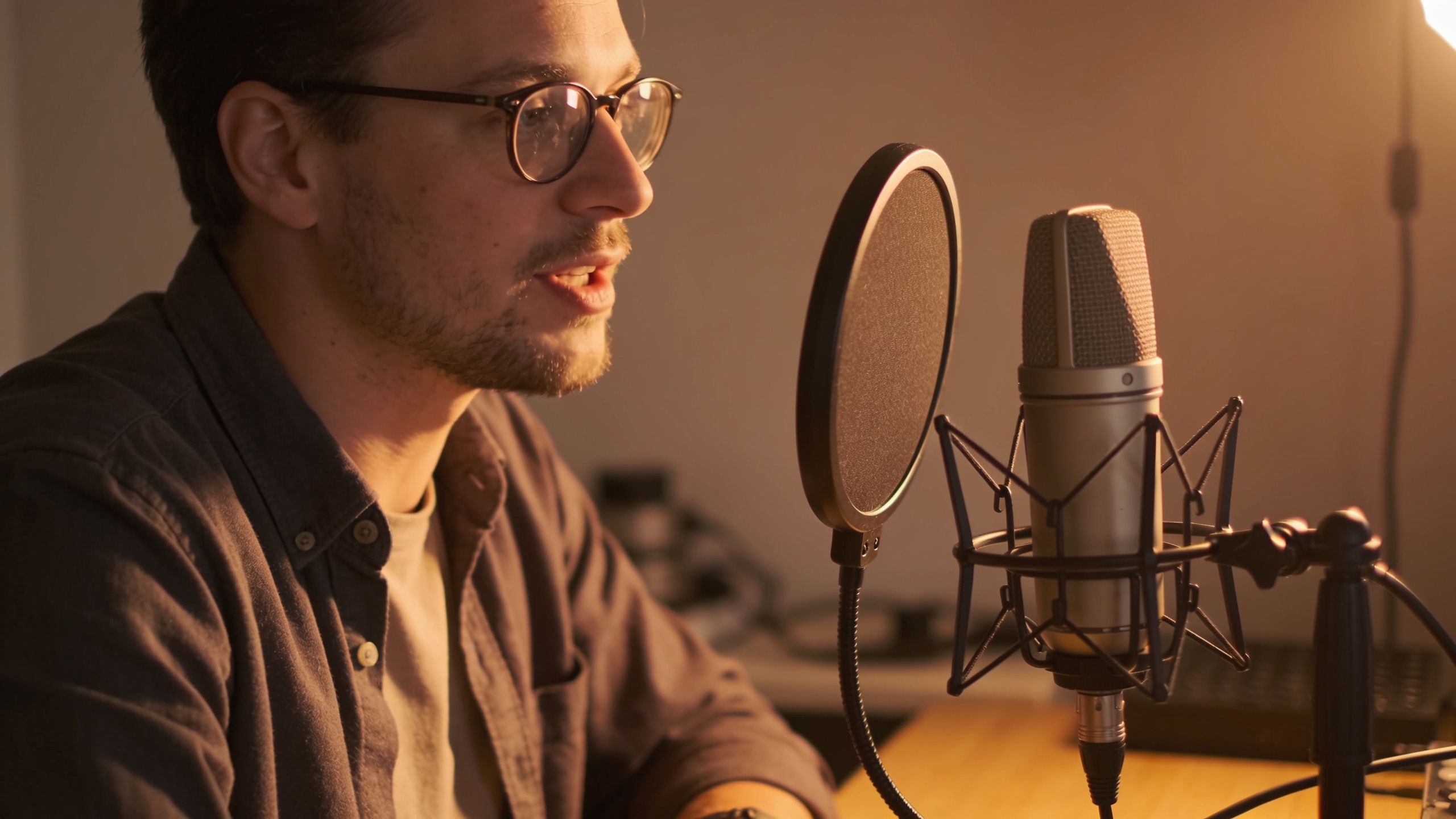
You want a reusable, branded voice for your channel or product without re-recording every episode. This guide shows founders, creators, and indie studios how to record a clean sample, legally clone and own a branded AI voice, and plug it into YouTube, TikTok, and podcasts. It includes practical prompts, a checklist for choosing models, legal guardrails, and a clear GoCrazyAI AI Voices workflow you can follow today.
Quick Answer
How do you clone my voice AI for a branded founder voice? Record a short, clean sample (1–5 minutes), confirm consent and contractual rights, use a reputable voice-cloning tool to train the model, then export and test the voice in short narrations. Add disclosures, version control, and contractual usage terms to stay compliant.
Why does a branded or founder voiceover matter for audience trust and creator economy growth?
A branded or founder voiceover builds recognition and trust by making content instantly identifiable across platforms. Consistent voice quality and cadence create a signature that helps listeners recognize your brand even when visuals change. For creators and startups, a reusable founder voice reduces recording friction, speeds up localization, and keeps a uniform tone across explainer videos, podcasts, and short-form clips.
Brands often reuse a voice to scale content: the same narration can be repackaged into YouTube essays, TikTok edits, and course modules with minimal rework. This is why many teams invest in a durable voice asset rather than ad-hoc recordings — it improves production speed and preserves a consistent brand persona over time. The market data also show growing adoption: “The AI voice generator market is projected to increase by USD 11.72 billion at a CAGR of 32.1% from 2024 to 2029,” which is why investing in a branded voice often pays off.
Practical angle: a founder voiceover turns occasional videos into a coherent channel identity, which often increases watch time and repeat visits because viewers associate the voice with reliability and style.
Quick reality-check: what legal, ethical, and safety rules must you follow before cloning a voice?
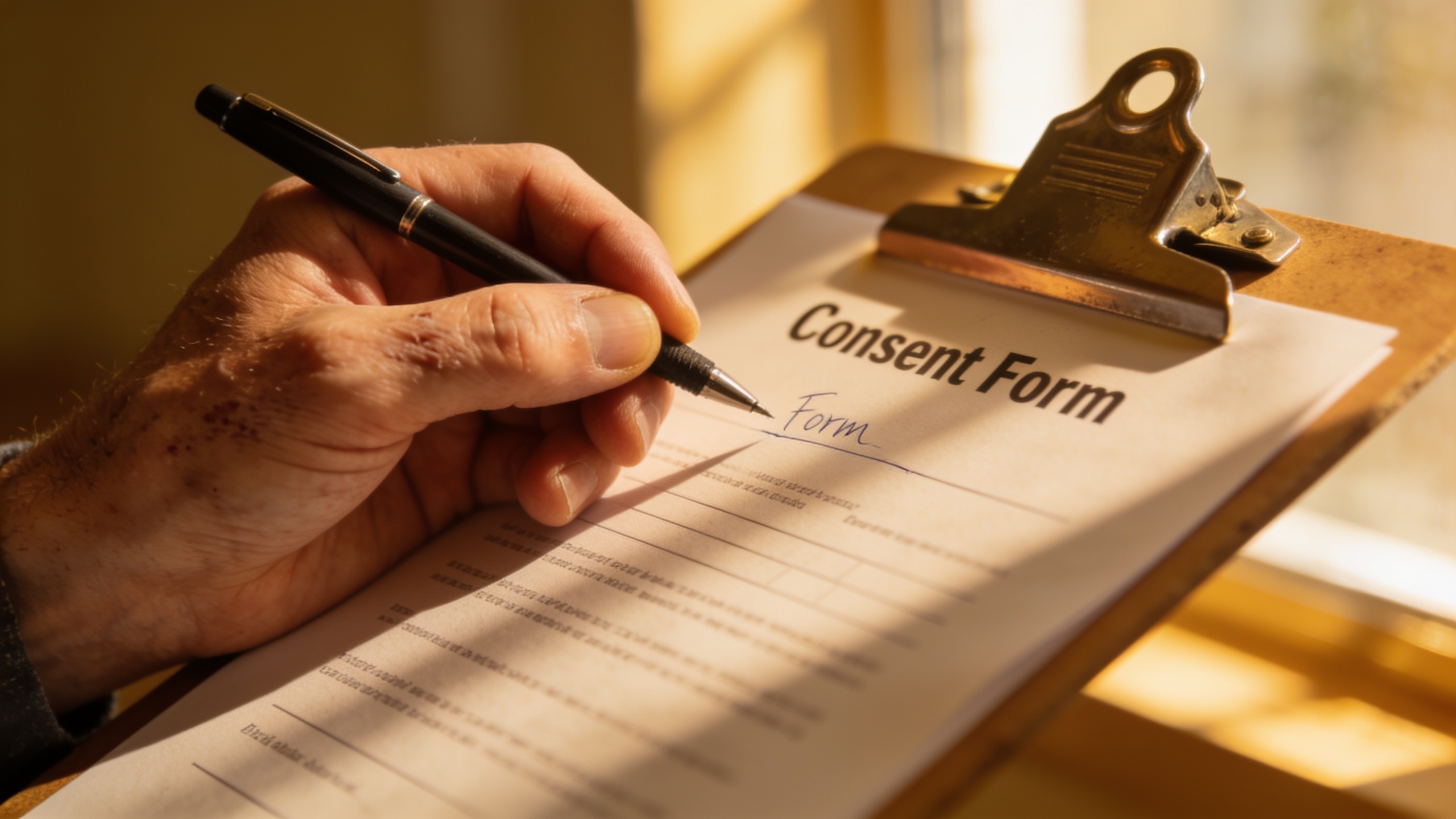
You should only clone a voice after obtaining explicit, documented consent and clear usage rights. Regulators and enforcement bodies are already acting on deceptive impersonation: the FTC and other agencies have targeted AI impersonation, and several jurisdictions are tightening rules around AI impersonation and robocalls. Consumer harm from voice cloning is real — reporting shows widespread misuse in scams, which is why creators must add contractual, disclosure, and technical safeguards.
Actions to take before cloning:
- Get written consent that covers all intended uses (platforms, durations, sublicensing).
- Include a clause that permits creation of an AI voice model and states ownership/royalties.
- Prepare a public disclosure you will include where content is published (podcast notes, video descriptions).
Technical safety and provenance:
- Keep an immutable record of the original recording and the consent form.
- Consider invisible watermarks or metadata tags in generated audio where possible.
- Limit distribution of the raw cloned model file.
This reality-check matters because regulatory and consumer pressures mean that failing to document consent can create legal exposure and reputational harm.
How should you evaluate AI voices: quality, control, languages, and emotional range (a checklist)?
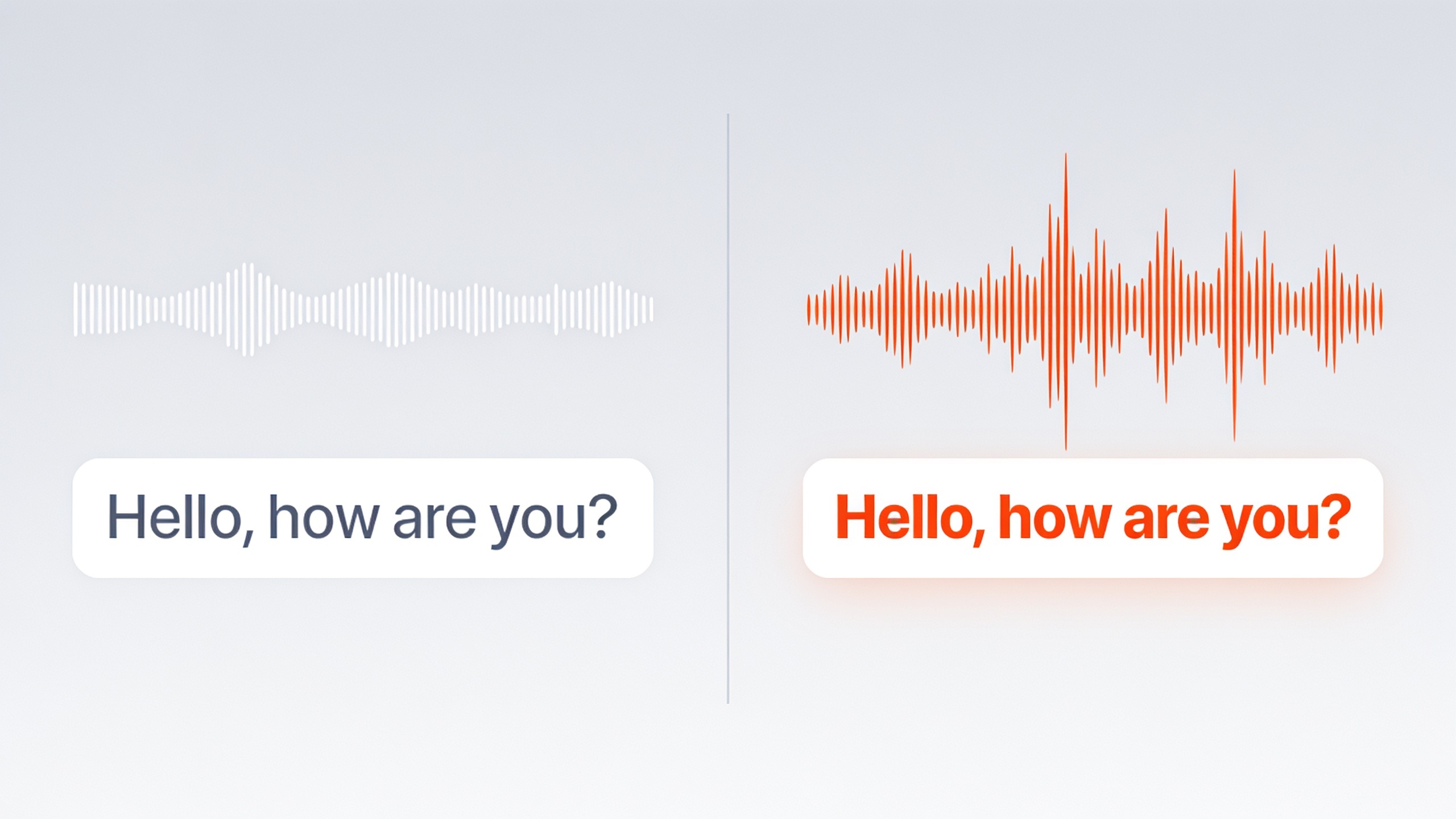
Evaluate candidate voice systems on four pillars: realism, control, language coverage, and expressive range. The checklist below helps you compare vendors and voice outputs objectively.
Checklist (use during demos):
- Realism: Does the voice sound natural at normal speaking speeds? Test long-form paragraphs and quick cuts.
- Control: Can you edit emphasis, pauses, breaths, and intonation? Look for phrase-level control and SSML-like features.
- Languages & accents: Does the platform support the target languages and regional accents you need for localization?
- Emotional range: Can the voice express neutral narration, excited hooks, and calm explanatory tones without sounding synthetic?
- Sample training needs: How much audio is required to clone a voice? Modern systems often work from short samples but test edge cases.
- File outputs & fidelity: Does the export include high-bitrate WAV/FLAC and optional stems for post-processing?
- Integration: Can the voice pair with your editing and distribution pipeline (DAW, video editor, podcast host)?
Practical testing tips:
- Run A/B tests with short clips (15–45s) across formats.
- Ask for breath, filler, and glitch tests: read the same sentence with different emotional cues.
- Verify latency and cost per minute for large-scale use — some vendors charge for synthesis time or custom voice hosting.
Note: technical maturity increased in 2024–2025, and many vendors added expressive cues and breath handling, so test how each vendor renders subtle emotional shifts.
How do you record a sample and clone a founder/brand voice — step-by-step workflow and examples?
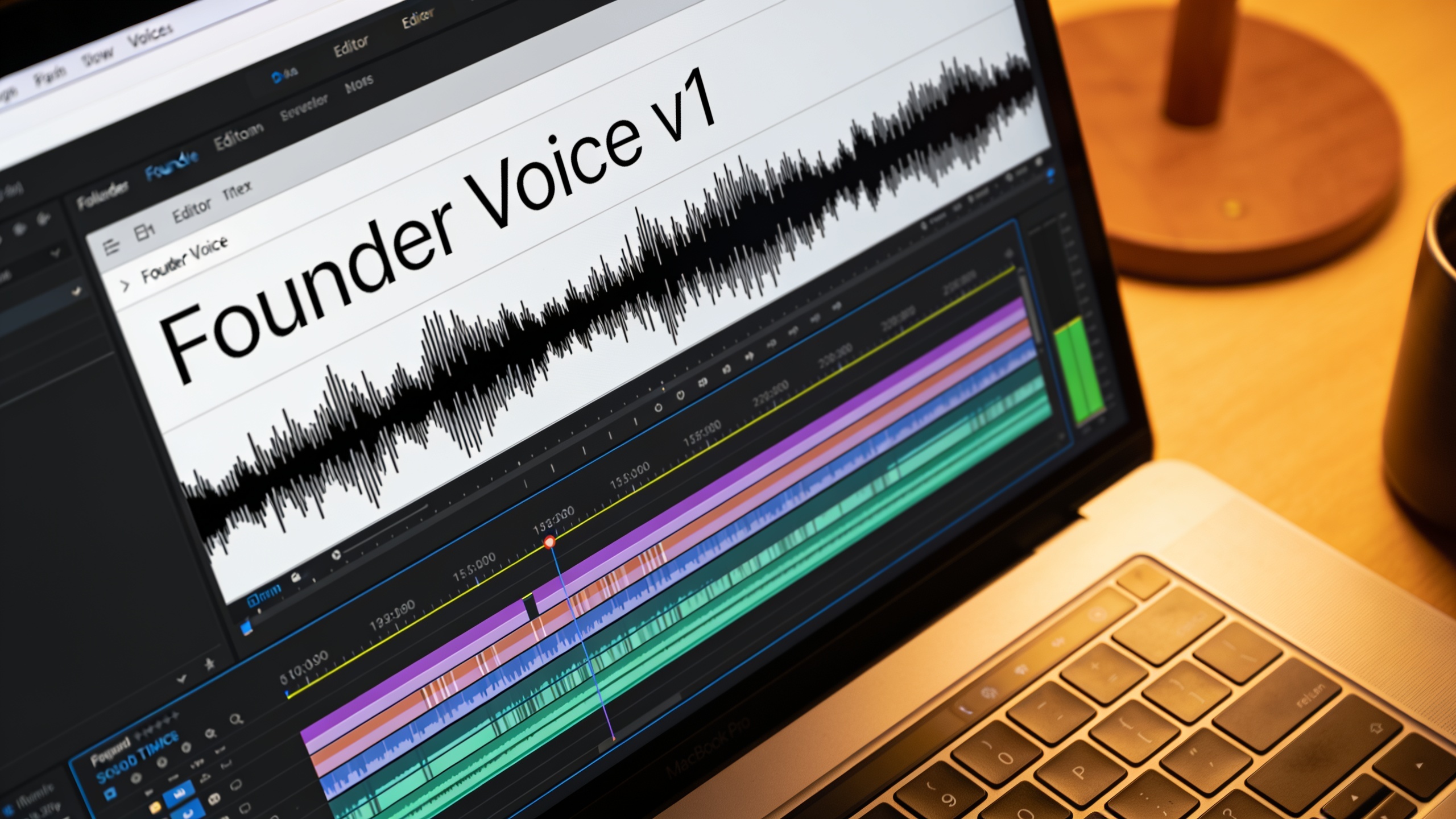
Record a short, varied, and noise-free sample and then use a reputable voice-cloning tool to create the model. Start with 1–5 minutes of high-quality audio that covers multiple phonemes and emotional tones; this usually yields good results for expressive speech.
Step-by-step workflow (summary paragraph): Record clean audio, confirm consent and rights in writing, upload to the cloning tool, label and test several short outputs, iterate with style prompts, and lock the model into a versioned asset with access controls.
Detailed workflow and example prompts: 1) Recording setup: Use a USB condenser or XLR mic, pop filter, quiet room, and 48 kHz/24-bit where possible. Keep distance and position consistent. 2) Content to record: Read a short script that includes statements, questions, and excited lines. Include breaths and natural pauses.
Safe example recording script (copyable): "Hello, I'm Alex Rivera, founder at BrightLayer. Today we'll explain versioned backups for small teams. This method saves time, reduces errors, and helps you sleep better at night." "When you plan for failures, you can recover faster. Try it for seventy-two hours and see the difference."
3) Consent language example (copyable): "I, [Name], grant [Company] the non-exclusive, perpetual right to create, use, modify, and distribute an AI-generated voice model derived from my recorded sample for the following purposes: narration, podcasting, dubbing, and marketing."
4) Upload and train: Follow the vendor UI to upload the sample, name the model, and choose voice timbre settings. Test with short test scripts and compare outputs.
5) Iteration: Provide 3–5 short test prompts that vary tone. Example prompts to test: "Short explainer (neutral): 'In this video, we'll show how to set up a 3-step backup plan.'" "Hook (excited): 'You won't believe how simple this trick is — it saved my startup hours!'" "Calm course narration: 'Next, pause the recording and follow along with the worksheet.'"
6) Version control & security: Export the model, tag it with a version number, and lock access via team permissions.
Examples you can copy above use safe, non-sensitive content suitable for social videos, podcasts, and e-learning.
How do you integrate a cloned voice into multi-format projects — YouTube, TikTok, and podcasts?
A cloned voice can be exported as high-quality WAV/FLAC and used across platforms with small format changes and edits for timing. For YouTube essays, aim for 64–120 WPM and add natural breathing points; for TikTok, use concise hooks and punchy cadence; for podcasts, prefer full-length takes with calmer pacing and chapter markers.
Integration workflow:
- Export master audio at high bitrate (48 kHz WAV) for YouTube and podcasts.
- Create short, attention-grabbing cuts (7–30s) for TikTok or Reels using faster cadence and stronger intonations.
- Use file stems if available to separate voice from added effects and music.
Toolchain tips:
- Combine the cloned voice with background music generated from an AI music tool to avoid copyright issues — you can use GoCrazyAI AI Song Generator for custom instrumentals (/ai-music).
- When producing video, pair the exported narration with your edit in an AI video editor or the GoCrazyAI Media Mixer (/ai-video-edit). For text-to-video workflows, the voice can be matched to AI-generated visuals from the AI Video Generator (/create-ai-video).
Distribution tips:
- Add a disclosure line in video descriptions and podcast show notes: "Contains an AI-generated voice modeled from the creator's recorded sample."
- For language versions, use AI dubbing tools that preserve voice characteristics when possible (/ai-dubbing).
Practical examples: create a full YouTube essay with a 10–12 minute narration, then repurpose the top three hooks into three TikTok clips with quicker pacing and stronger emphasis on the hook lines.
What are best practices and common mistakes for protecting your voice asset and staying compliant?
Protecting a voice asset is both a legal and operational practice: use contracts, disclosures, access controls, and watermarking. Common mistakes often lead to misuse or disputes, but they are avoidable with concrete steps.
Common mistakes and how to avoid them:
- Mistake: Skipping written consent. Avoidance: Always obtain a signed consent that specifies use cases, licensing, and compensation.
- Mistake: Vague ownership terms. Avoidance: Define whether the voice model is owned by the creator, the company, or jointly, and include reversion triggers.
- Mistake: Not versioning or restricting model access. Avoidance: Use team permissions, audit logs, and export controls to limit who can synthesize or download the voice.
- Mistake: No public disclosure. Avoidance: Add a clear disclosure in metadata and episode descriptions explaining the use of an AI voice.
- Mistake: Publishing raw voice models to insecure storage. Avoidance: Keep master models in encrypted storage and share only derived audio.
Additional best practices:
- Add watermark metadata and consider inaudible forensic watermarks where available.
- Keep a consent archive and record the original sample’s timestamped file.
- Regularly audit how the voice is used across platforms and by third parties.
These steps reduce legal exposure, deter misuse, and help you demonstrate due diligence if regulators inquire — a prudent approach while rules and enforcement evolve.

How do you measure ROI: efficiency, scaling, and audience recognition — and why choose GoCrazyAI AI Voices?
Measure ROI by tracking production time saved, content throughput, localization speed, and brand recognition metrics (like audio-based recall in surveys). A branded AI voice reduces recording time per episode, lets small teams publish more often, and lowers localization costs because one model scales into multiple languages.
Practical ROI metrics to track:
- Time saved per episode (hours of recording + editing avoided).
- Increase in content output (episodes/month or videos/month).
- Cost per finished minute compared to human recording (including studio fees).
- Audience recognition lift measured via short surveys or A/B tests.
Why GoCrazyAI AI Voices is a practical choice: GoCrazyAI offers a purpose-built AI Voices feature with 160+ premium voices, short-sample cloning, and direct pairing with GoCrazyAI's video and podcast tools. That makes it straightforward to create a founder voice and drop it into longform essays, short social clips, and serialized podcasts. For teams that want an integrated pipeline — voice cloning, AI video generation (/create-ai-video), and podcast generation (/ai-podcast) — GoCrazyAI reduces handoffs and simplifies rights management. You can explore pricing and credits to estimate per-minute costs on the Pricing page (/credits).
This integrated approach often reduces time-to-publish and makes it easier to measure the ROI of a single branded voice across every format.
You can try every step above directly in GoCrazyAI AI Voices — no setup needed.
Frequently Asked Questions
How much audio do I need to clone my voice?
Usually 1–5 minutes of clear, varied speech is enough for most modern systems to capture timbre and basic expressiveness. More minutes help with nuanced emotional range and rare phonemes.
Do I need a lawyer to clone a voice?
You don't always need a lawyer, but you should use a written consent form that specifies ownership and usage rights. For business deals, a lawyer can ensure the contract covers sublicensing, revenue share, and reversion clauses.
Will listeners know the voice is AI-generated?
Often listeners can't tell in short clips, but transparency is best practice. Add a disclosure in descriptions and notes to avoid regulatory or trust issues.
Can I localize my branded voice into other languages?
Yes, many platforms support cross-language dubbing that preserves voice characteristics. Test samples in the target language and adjust timing and prosody to match lip-sync or pacing requirements.
Conclusion
A branded founder voice can save time, unify your content, and scale across formats when you pair clean recording habits with legal safeguards. Start with a short, varied sample, secure written consent, and version your model. If you want an integrated workflow that clones your voice, offers 160+ premade voices, and ties into video and podcast tools, try GoCrazyAI AI Voices to create and manage a branded voice asset.
Sources
- AI Voice Generator Market Growth Analysis - Technaviotechnavio.com ↗
- AI voice-cloning scams: A persistent threat with limited guardrails - Axiosaxios.com ↗
- ElevenLabs (product evolution and expressive models) - Wikipediaen.wikipedia.org ↗
- Voice Cloning Market Size and Trends Research - MarketGrowthReportsmarketgrowthreports.com ↗
- Klobuchar statement on FCC declaring AI-generated robocalls illegal - U.S. Senator Amy Klobucharklobuchar.senate.gov ↗
- Strategic Perspectives: Policy & legal overview for AI voice cloning (CCH)business.cch.com ↗