


Best AI Voices: A practical creator’s guide to choosing and using premium AI narration
Practical guide for creators to evaluate, clone, and deploy premium AI voices safely. Workflows, legal checklist, and how to use GoCrazyAI AI Voices.
You need clear, reliable narration that fits your channel, but choosing an AI voice feels risky: will it sound natural, will it cost too much, and is it legal to use or clone someone's voice? This article gives practical workflows to audition, A/B test, clone, and customize premium TTS voices for YouTube essays, faceless shorts, and indie podcasts. It also explains recent regulatory signals (FCC and fraud reporting) and a legal checklist so you can publish without surprises.
Quick Answer
Best AI voices for creators are premium, customizable TTS models that match your channel persona, allow controlled cloning or custom voice design, and include clear commercial licensing. Test candidates with short A/B tests, verify consent and watermarking for clones, and prefer vendors with voice cloning from a short clean sample and export-ready narration.
Why do natural, customizable AI voices matter for creators?
AI narration affects watch time, brand recognition, and audience trust; natural, customizable voices usually hold attention better than flat TTS. Recent high‑profile events — the FCC’s February 8, 2024 ban on deceptive AI robocalls and increased reporting of voice‑cloning scams — show regulators and platforms are watching how synthetic voices are used (see sources). For creators, a voice that matches your persona, can switch emotional range, and offers commercial rights usually improves retention and lowers friction when scaling episodes. Concrete wins: a friendly, medium‑paced voice tends to work for explainer and essay formats; warmer, shorter‑sentence pacing works for shorts and character lines. That said, vendor quality varies a lot: leaderboards and reviews help narrow choices, but real listening tests are the final judge.
How to choose the right TTS voice: criteria creators actually use?
Choose a TTS voice based on persona fit, speech control, language coverage, emotional range, and licensing. These five criteria usually predict real performance: 1) Persona match — does the voice sound like someone your audience would follow? 2) Control — can you adjust rate, pitch, pauses, and emphasis? 3) Pronunciation — does it handle names, technical terms, and other languages? 4) Emotion — can it express warmth, urgency, or deadpan reliably? 5) Licensing — does the vendor permit commercial use, cloning, and distribution?
A quick comparison table creators use when auditioning:
| Criterion | Why it matters |
|---|---|
| Persona match | Drives initial trust and long‑term branding |
| Control (rate/prosody) | Affects retention and clarity |
| Language & pronunciation | Needed for localization and proper nouns |
| Emotional range | Keeps long narration engaging |
| License & consent | Prevents monetization/blocking/legal risk |
For depth, follow practical guides like VoxlyAI on TTS selection, then validate with short A/B tests or listener panels: voice quality scores rarely predict retention as well as a 30–60 second real‑world test.
Hands-on example: auditioning and A/B testing AI voices for a YouTube essay — a step-by-step workflow?
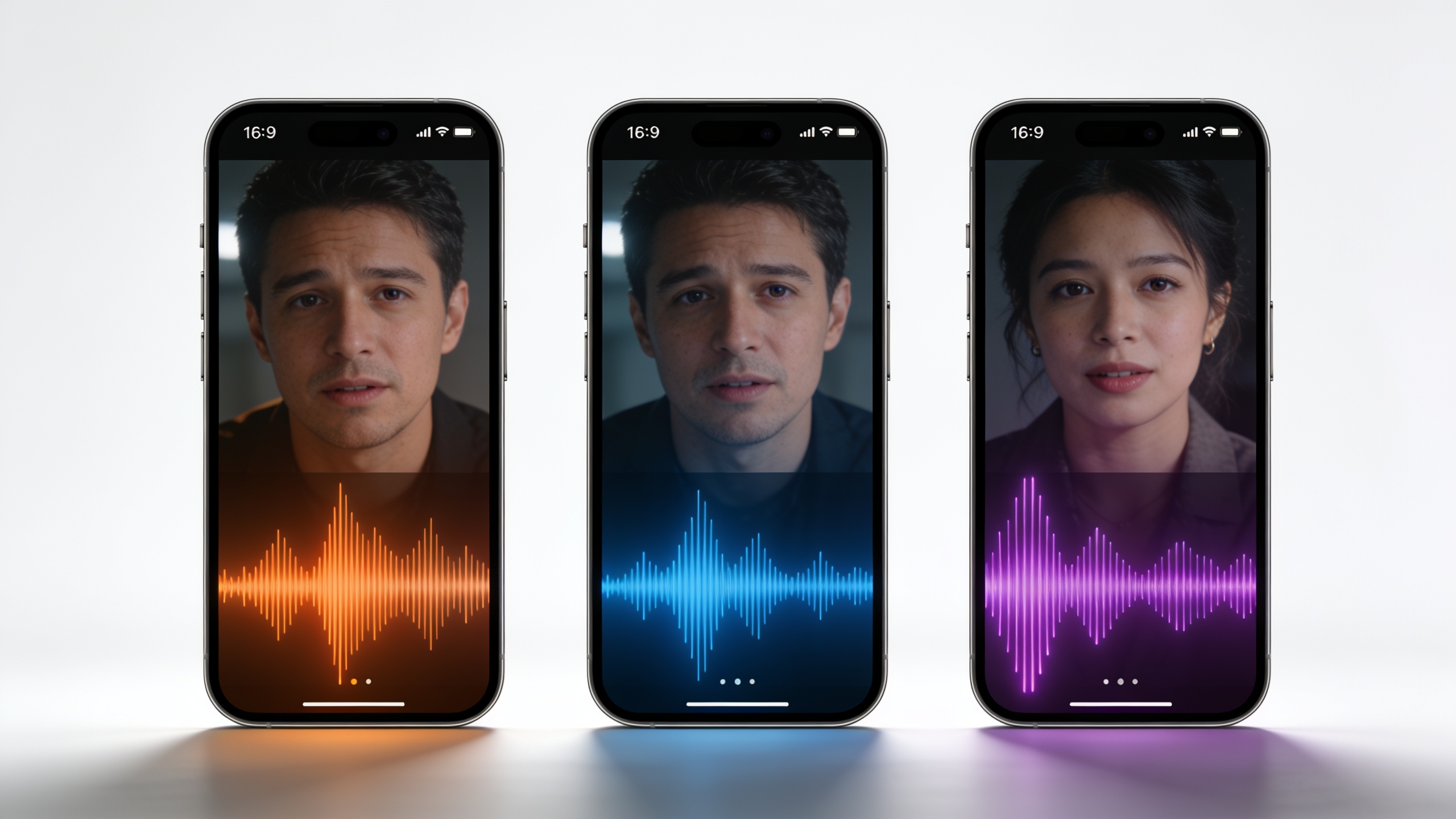
Run short, measurable A/B tests: record the same 60–90 second script with 3–4 candidate voices, upload as private videos, and measure retention over the first 30 seconds. For creators, the simplest reliable workflow is: pick script segment, render multiple voices, run paired tests with randomized thumbnails/titles disabled, and compare 15–30s retention and audience feedback. This method usually reveals which voice preserves attention under real conditions.
Detailed steps you can copy immediately:
1) Choose a 60–90s representative excerpt from your video script (intro + 1 key idea). 2) Render the excerpt in 3–4 candidate voices at the same loudness and EQ. 3) Upload each as an unlisted/private test video with identical thumbnails and metadata. 4) Send the links to a small panel (20–50 viewers) or use short paid traffic to simulate a real audience. 5) Compare 15‑30s retention and note comments about clarity, trust, and emotion.
Prompt examples for voice rendering (copyable):
``` Narration: "Today we look at three easy systems to speed your editing workflow." Voice: "Warm, mid‑20s male, conversational, medium pace, slight emphasis on verbs." Rate: 0.95, Pause after commas: 120ms ```
``` Narration: "Your privacy matters. Here’s how to opt out." Voice: "Authoritative female, clear enunciation, calm, steady pace." Rate: 1.0, Prosody: natural ```
When pairing narration with visuals, export stems for easy trimming and sync. If you generate visuals from prompts, consider combining the narration with an AI video generator like an AI video generator to iterate on pacing and shot length earlier in the edit (/create-ai-video). Also test background music levels using an AI music generator to ensure the voice remains intelligible (/ai-music).
Hands-on: cloning or designing a custom voice for a faceless channel or animated short?
Cloning or designing a voice usually requires a clean sample, explicit consent, and a tuning pass to match prosody and timing. In most vendor workflows you supply a short clean recording (often under a minute) and a consent attestation; the service produces a cloned voice that you tune for rate, breathiness, and emphasis. For original custom voices, you can instead provide a text description ("warm, playful British female with medium tempo and light breath") and iterate until the character fits your needs.
Practical workflow creators use:
- Record a 30–60s clean sample in a quiet room with a good mic (30–60s often suffices).
- Provide written consent and, if the voice is a collaborator’s, a signed release that covers commercial use. Retain that release in your project files.
- Generate a first pass and listen for mispronunciations; annotate where to insert pauses or change intonation.
- Use shorter test phrases to tune emotional range and then render longer sections.
For animated characters, map voice variants to emotion states (neutral, excited, angry) and render short lines per state. Keep a master file with approved voice renders and metadata (model name, seed, render date) so editors can match consistent lines across episodes. Remember cloning is powerful for scaling, but always keep consent and the legal checklist up to date before publishing.
Legal & ethical checklist — common pitfalls creators must verify before publishing
Before publishing with synthetic or cloned voices, verify consent, licensing, platform rules, and deception risk. Regulators and platforms are increasingly specific: the FCC ruled on February 8, 2024 that using AI‑generated voices in robocalls that can deceive voters is illegal under the Telephone Consumer Protection Act, signaling regulators take deceptive voice uses seriously. Reporting also shows a sharp increase in voice‑cloning scams — Axios flagged a rise in imposter scams and recommended stronger safeguards after over 845,000 reported imposter scams in 2024.
Common pitfalls and how to avoid them:
- Pitfall: No written consent for a cloned voice. Avoid it: get a signed release that specifies commercial use and duration.
- Pitfall: Using a free voice without commercial rights. Avoid it: check license terms and keep a screenshot or PDF of the license.
- Pitfall: Passing AI voice as a real person in deceptive contexts. Avoid it: add clear disclosures where required and don’t impersonate real people.
- Pitfall: Ignoring platform policies. Avoid it: review YouTube’s guidance — AI voices aren’t banned but you must hold rights to all elements and declare as required (see platform guides).
For high‑risk use (political content, impersonation, or paid promotions), consult a lawyer and prefer vendor tools with watermarking, usage logs, and consent workflows. These safeguards reduce friction if a platform or regulator asks for proof of rights.
How to integrate GoCrazyAI AI Voices into your production workflow (practical examples and templates)
GoCrazyAI AI Voices provides a practical, creator‑oriented path: browse 160+ premium voices, clone a short clean sample, or design a custom voice from a description and tune rate and prosody before export. For most creators the working pattern is: pick candidate voices, generate short renders, A/B test on a private draft, then finalize the chosen voice and export stems for editing.
Practical examples you can try now on GoCrazyAI AI Voices (/ai-voice):
- YouTube essay: generate 3 voice candidates, export as WAV stems, drop into your editor and test retention.
- Faceless TikTok: clone a collaborator’s 30s sample (with signed consent), generate a set of short hooks, and batch render for a month of content.
- Animated short: design a custom character voice from text, render emotional states, and match lines to your animation timeline.
Templates (quick copy/paste for GoCrazyAI voice prompts):
"Narration: 'Here’s how step one works.' Voice: 'Warm male, mid‑30s, conversational, medium pace, slight emphasis on verbs.' Prosody: natural; Rate: 0.95"
"Character: 'I’ll get it done!' Voice: 'Sharp, energetic female, slight rasp, quick tempo, excited.' Prosody: high energy"
GoCrazyAI works smoothly with other studio tools: pair exported narration with the AI video generator for early edit passes (/create-ai-video) and drop background beds from the AI music generator for quick mix checks (/ai-music). The platform’s cloning from a short sample and 160+ ready voices make it a fast way to iterate while keeping control and metadata for legal checks.
Frequently Asked Questions
Are AI voices allowed on YouTube and can I monetize content that uses them?
YouTube does not ban AI voices outright, but you must hold the rights to the voice and all other content. Use licensed premium voices or your own voice clones with written consent to reduce monetization risk.
How long of a recording does voice cloning usually need?
Many vendors, including GoCrazyAI, can clone from a short clean sample — often 30–60 seconds — but quality improves with cleaner recording and slightly longer samples for expressive range.
What safeguards should I require when cloning someone’s voice?
Obtain signed written consent that specifies commercial use, keep the release on file, use vendor watermarking/logs if available, and limit distribution until you confirm platform policy compliance.
Conclusion
Final thoughts: prioritize a voice that fits your audience persona, run short A/B tests on real retention metrics, and always document consent and licensing before cloning or publishing. If you want a fast, production-ready option that supports cloning from a short sample and 160+ premium voices, try GoCrazyAI AI Voices to audition, clone, and export narration for your next episode (/ai-voice).
Sources
- FCC bans AI-generated voices in robocalls that can deceive voterspbs.org ↗
- AI voice-cloning scams: A persistent threat with limited guardrails (Axios)axios.com ↗
- Choosing the Perfect TTS Voice: A Complete Guide (VoxlyAI)voxlyai.com ↗
- 10 Best AI Text to Speech Tools in 2025 (AI Review)ai-review.tech ↗
- Is It Legal to Use AI Voices on YouTube and in Commercial Projects? (AiVoicePedia)aivoicepedia.com ↗
- TTS Arena - AI Voice Model Leaderboard & Comparison (TTS.ai)tts.ai ↗