


Sacred Plainchant
Gregorian Chant Generator
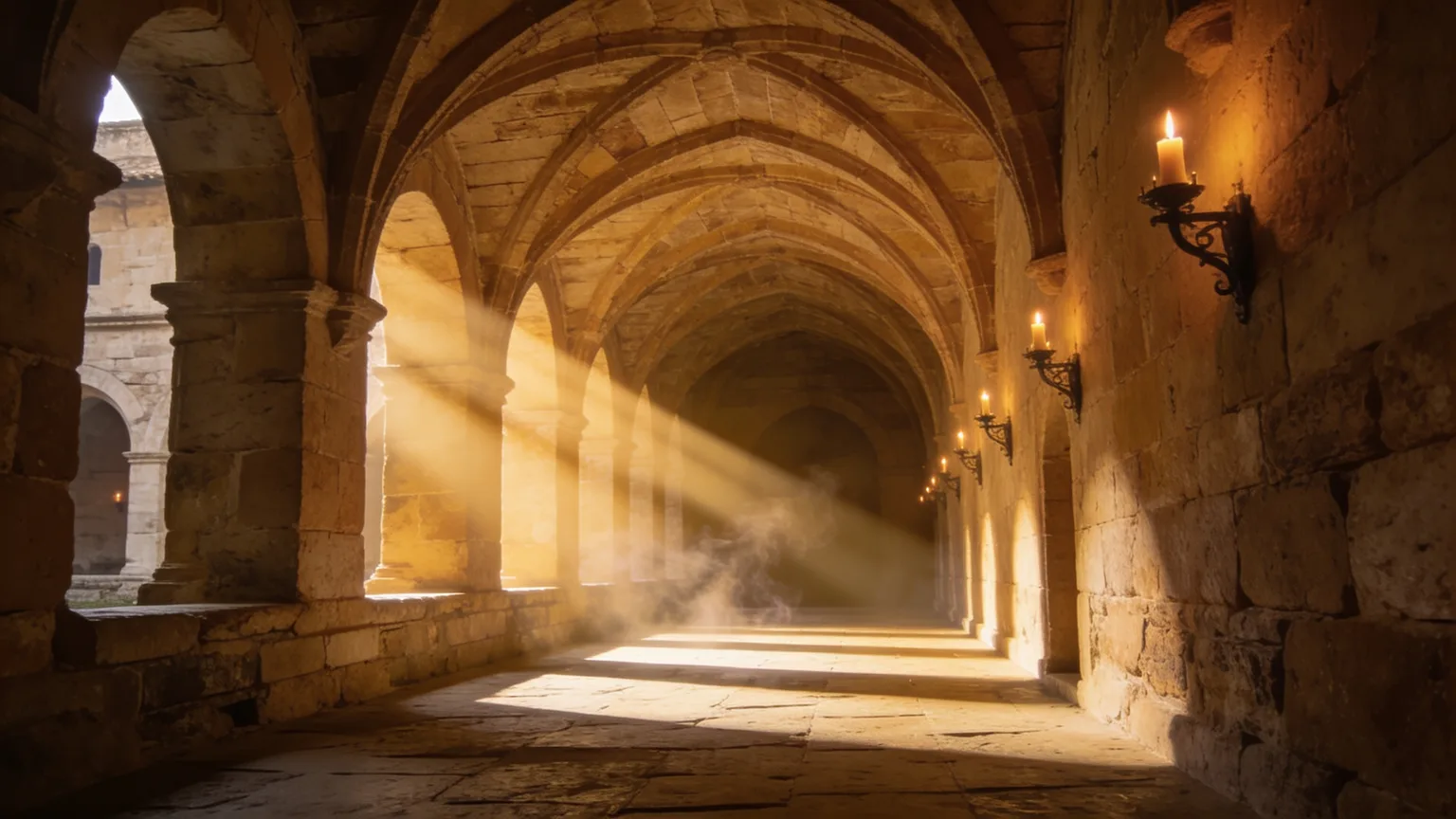
A single line of melody, a stone room's worth of reverb, and words that have been prayed for a thousand years. Generate Gregorian-style chant for prayer, study, and creative work — from a prompt or from the Latin itself.
5 free songs with every account · no credit card required
Hear real examples
Every track below was generated with this tool — press play, then make yours.
Gregorian chant is the rare music that has outlived every trend thrown at it — a single unaccompanied melodic line, free of drumbeat and harmony, shaped around sacred text and sung into stone. People come looking for it from every direction: prayer and lectio divina, deep-focus study playlists, meditation apps, and film or game scenes that need the weight of a monastery. This generator makes chant-style music for all of them, in minutes, from a plain-language description.
One thing said plainly, out of respect for the tradition: this tool is for devotional listening, study ambience, learning about the form, and creative projects — not for replacing liturgical music at Mass. The Church's living tradition of sung liturgy belongs to human voices in real sanctuaries, and the norms that govern it deserve to be honored. Think of this as a way to carry the sound of that tradition into your headphones, your prayer corner, and your projects.
From prompt to sung lyrics
The Kyrie, sung
Prompt: “A Kyrie eleison in traditional plainchant style, male voices in unison, cathedral reverb”
Kyrie eleison,
Kyrie eleison,
Christe eleison,
Christe eleison,
Kyrie eleison.
The evening chant
Prompt: “A gentle chant for evening prayer, sparse and candlelit, slow and unhurried”
[Verse]
Lord of the closing hour, receive the day we lay before You,
What was done in haste, forgive; what was done in love, remember,
Keep watch, O Lord, with those who wake, and guard us while we sleep,
That awake we may keep watch with Christ, and asleep, rest in His peace.
Song ideas to start from
How it works
- 1
Describe your song
Type one sentence — the person, the story, the vibe — or start from an example above. Any language works.
- 2
Pick a style and length
Vocals or instrumental, any genre, from a 15-second hook to a full-length track. Or write every lyric yourself in the studio.
- 3
Generate, download, share
Your song renders in minutes with cover art and its own page. Download the MP3 or just send the link.
What makes chant chant — and how to prompt it
Three things define the form, and naming them in your prompt is what separates a real chant-style result from a movie-trailer choir. First, monophony: one melodic line, all voices in unison, no harmony stacked underneath — say "voices in unison, no harmony." Second, free rhythm: chant breathes with the text instead of marching to a beat, so ask for "no percussion, unhurried, following the words." Third, the space: chant was written for stone, so "vast cathedral reverb" or "distant monastery acoustic" does more for authenticity than any other instruction.
Words like reverent, solemn, spacious, and meditative steer the delivery; "male voices," "women's schola," or "a single cantor" steer the sound. Keep the prompt slow and sparse and the result will be too.
Latin texts, word for word
The great chant texts are public-domain classics, and Lyrics mode will sing them exactly as written. Paste the Kyrie eleison, the Agnus Dei, Dona nobis pacem, or the Salve Regina — up to 3,000 characters — describe the delivery ("slow plainchant, unison male voices, long reverb tails"), and hear the actual Latin performed rather than an approximation of it. Repetition is part of the form, so writing "Kyrie eleison" three times produces the threefold structure you expect.
This is also a quiet gift for learners: students of Latin, choir members meeting the Ordinary of the Mass for the first time, and homeschoolers studying medieval music can hear the texts pronounced and sung as often as they like. Generate the same text in two tempos and the differences in phrasing become a lesson in themselves.
For study, prayer ambience, and content
The internet's appetite for chant is mostly ambient — hours-long study streams, sleep playlists, and meditation apps have made plainchant a focus tool for people who could not name a single mode. Generate your own: instrumental-leaning, slow, spacious tracks for a personal lectio divina playlist, a prayer-corner loop, or the background of a long writing session. Each song downloads as an MP3 and gets its own shareable page.
Creators need chant too, constantly — medieval games, fantasy films, documentary scenes, and monastery-set moments all call for chant-like beds, and generated tracks are original compositions from your prompt, not covers, so cover-licensing does not apply (for commercial specifics, contact support). Describe the scene and the mood, and score it in an afternoon.
A note on the liturgy
The question deserves a direct answer: should generated chant be used at Mass? No — and this page will not pretend otherwise. The Church's norms for sacred music envision the living voices of the faithful and their scholas, and a tradition that has been handed down singer to singer for over a millennium is not something an algorithm should stand in for at the altar. The skepticism many Catholics feel about AI in the liturgy is reasonable, and we share the instinct behind it.
Where a generator honestly helps is everything around the liturgy: a schola director sketching how a text might feel at different tempos, a catechist introducing teenagers to the sound of the Ordinary, a household building a prayer-ambience playlist for Advent evenings. It assists your study and devotion; the worship itself belongs to the Church and her singers.
Frequently asked questions
Can it sing real Latin texts like the Kyrie or Salve Regina?
Yes — paste the public-domain text (Kyrie eleison, Agnus Dei, Dona nobis pacem, Salve Regina) into Lyrics mode and it is sung word for word, up to 3,000 characters.
Is it free to try?
Every new account includes 5 free songs, no credit card required. After that, songs cost 5 credits each.
Is this meant to replace chant at Mass?
No, and we say so plainly. Generated chant is for devotional listening, study ambience, learning the form, and creative projects — the sung liturgy belongs to human voices and the Church's own norms for sacred music.
How do I make it sound authentically like plainchant?
Name the three pillars in your prompt: voices in unison with no harmony, no percussion with free unhurried rhythm, and vast cathedral or monastery reverb. Words like reverent, solemn, and spacious finish the job.
Can I get chant without any words — just the atmosphere?
Instrumental mode generates music with no vocals, and for a wordless vocal feel you can prompt for open vowel sounds. Both work well for focus and meditation beds.
Can I use generated chant in my game, film, or meditation app?
Generated tracks are original compositions from your prompt, not covers, so cover-licensing does not apply. For commercial-use specifics, contact support.
How long can a chant track be?
Anywhere from 15 seconds to several minutes per track. For hour-long ambience, generate several tracks and loop or sequence them in a playlist.
Does it work for study and prayer playlists?
That is one of the most common uses — slow, spacious chant for lectio divina, focus sessions, and evening prayer. Each track downloads as an MP3 and has its own shareable page.
Can it chant in English or other languages?
Yes — any language works. English psalm texts in a plainchant delivery are a beautiful middle path for listeners who want the form with words they understand.
Can it chant in my own voice?
Yes — Your Voice mode clones your voice from about 15 seconds of ordinary talking, costs 10 credits, and deletes the clone after the render. A prayer text sung in your own voice makes a striking personal devotion; those songs stay private by default.
Takes about a minute to start. 5 free songs included.